
The most repeated piece of bad advice about visiting Hobbiton is that you can save money by skipping the official tour and just driving past the farm to take photos through the fence. You can’t. The Hobbiton movie set sits on the Alexander family’s working sheep and beef farm, set back behind a private road, hidden in a fold of the Waikato hills. There is no fence, no public viewpoint, no shoulder of the highway where you can pull over and see anything. The set was chosen in 1998 partly because it was invisible from any main road, which is also why no other film crew has poached the location since. If you want to see the Shire, you book a tour at Hobbiton Tours, you pay NZD $130 for the basic walk, and you go. There is no workaround. This guide is what to do once you accept that.
I’ll also tell you the other honest thing up front: Tolkien never set foot in New Zealand, never wrote about Matamata, and the Shire is a fictional place inspired by his Worcestershire childhood. Matamata is on this list because Peter Jackson filmed there in 1999 and the Alexanders kept the set, not because Tolkien wrote about it. If you came expecting a literary pilgrimage in the way Bath ties to Austen or Forks ties to Meyer, calibrate. Hobbiton is film tourism dressed up as book tourism, and it’s still one of the most genuinely impressive set visits anywhere in the world. NZD prices throughout, current for 2026.
In This Article
- The myth, in full, and why it keeps coming up
- What you actually pay, and which tour to pick
- Booking timeline and the high-season squeeze
- Getting to Matamata: car, bus, or tour shuttle
- Self-drive from Auckland
- InterCity coach via Hamilton
- Day tour from Auckland or Rotorua
- Where to stay: Matamata, Karapiro, Hamilton, or Rotorua
- Matamata
- Karapiro and Cambridge
- Rotorua
- The tour, beat by beat
- Step 1. Check in at The Shire’s Rest
- Step 2. The shuttle in
- Step 3. Walking the village
- Step 4. The interior hobbit hole on Bagshot Row
- Step 5. The Green Dragon Inn
- Step 6. The shuttle out
- What to wear, what to bring
- The other LOTR locations within driving distance
- Tongariro National Park: Mount Doom and Emyn Muil
- Putangirua Pinnacles: the Paths of the Dead
- Weta Workshop, Wellington
- What to do in Matamata if you arrive early or stay overnight
- Honest takes on the visit
- Reading order, if you’re new to Tolkien
- How Matamata fits into a longer book-and-travel itinerary
- Final word
The myth, in full, and why it keeps coming up
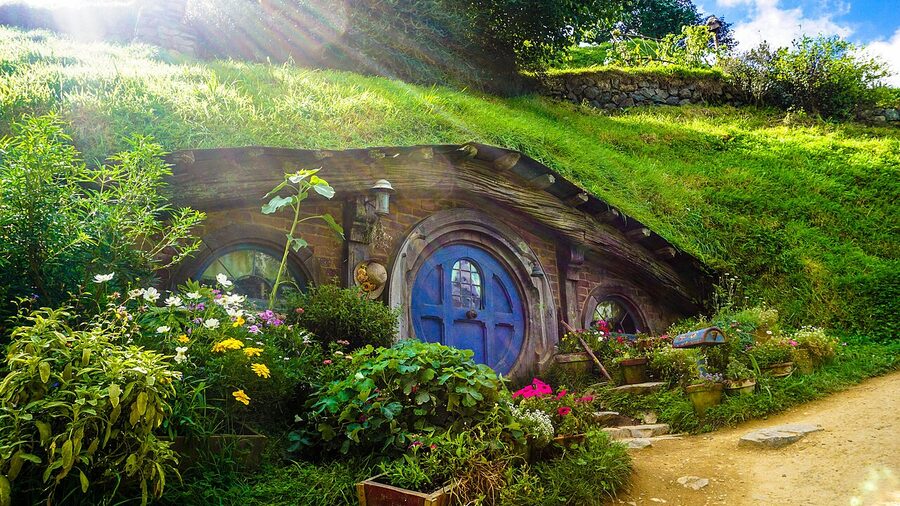
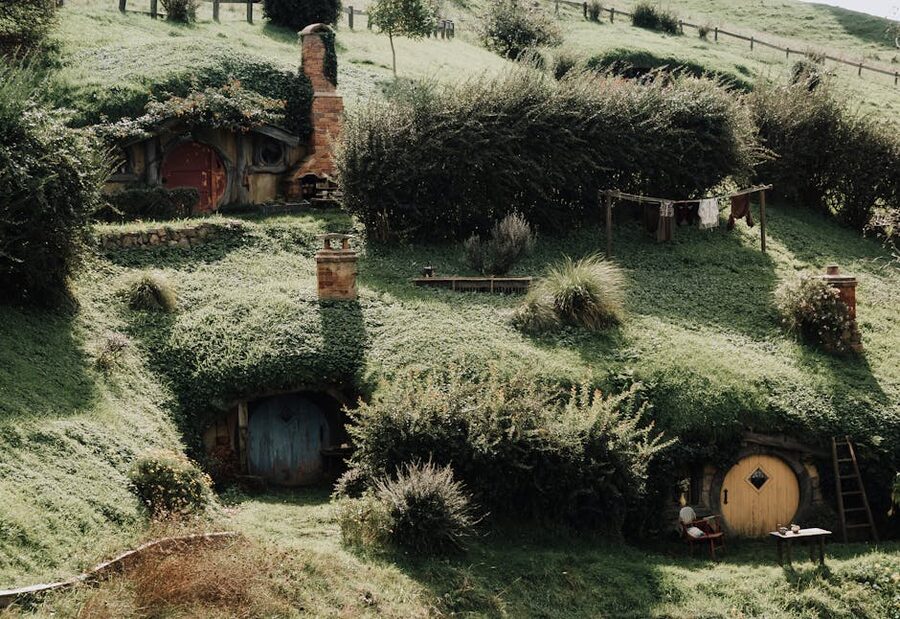
Three or four times a year someone arrives at the Matamata Information Centre with a printed Google Maps screenshot, asking which farm gate they should park at to see Hobbiton without buying a ticket. The answer, every time, is none. The set is on private land approximately two kilometres back from Buckland Road. The road that loops past the set is gated. The hillside is positioned in a natural bowl that is invisible from the public roads. The cunning bit of cinematic geography that made the location work for the films, that you cannot photograph it from any direction by accident, is the same bit that makes the no-tour plan fail.
The myth lives because driving up to a film set and snapping a photo from the gate works for a lot of New Zealand’s other Lord of the Rings locations. You can do exactly that at Edoras (Mount Sunday), at the Pelennor Fields (Twizel), or at the Anduin sequence in Queenstown. Hobbiton is the one location where it categorically does not work, because Hobbiton is the one location that is still a permanent, maintained, commercial set. Forty-four hobbit holes, gardens, the Green Dragon, the mill, all kept up year round by a team of gardeners and prop maintainers. That costs money, which is why the tour costs money, which is why the access is gated.
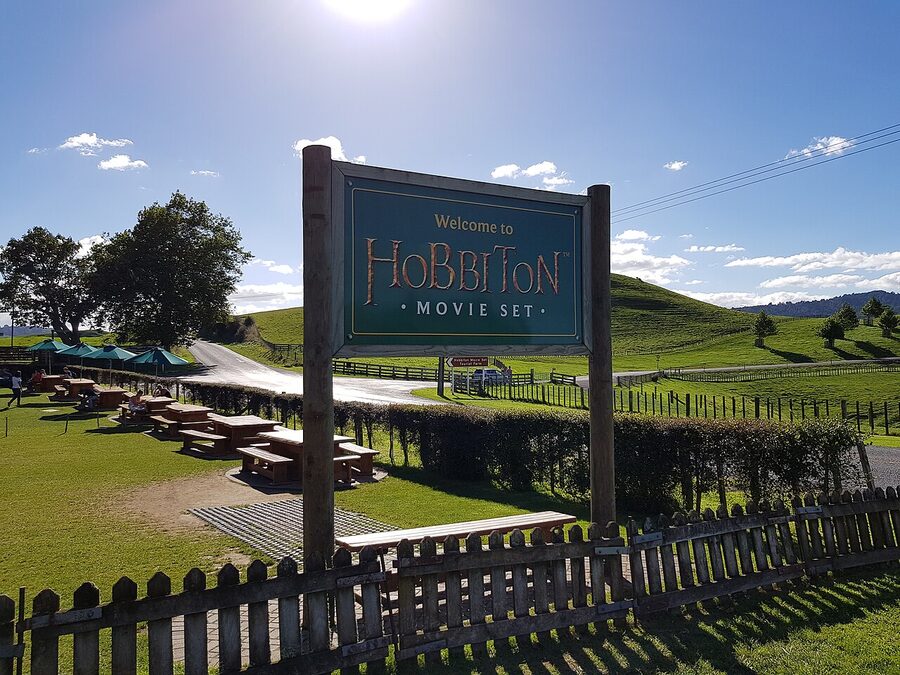
The other version of the myth involves a “shortcut” through some side road. There isn’t one. The Alexanders, who farm about 1,250 acres around the set, have GPS-marked their boundaries and a small security team works the perimeter when tour groups are running. The walk-up rate of would-be sneakers is high enough that they keep a polite, well-rehearsed redirect speech ready: take the photo of the entrance gate, drive back to The Shire’s Rest, buy a tour. That is the whole shortcut.
What you actually pay, and which tour to pick
Five tour options run from The Shire’s Rest. They share the same set. They differ in how long you stay, how many people are with you, and how much food and drink is included. Adult prices below are 2026 (post-1 April pricing).
- Movie Set Tour: NZD $130 adult, $65 youth (11-17), free for kids 10 and under. Two hours on the set with a guide, a complimentary drink at the Green Dragon Inn, and a brief visit inside one of the two interior hobbit holes on Bagshot Row. This is the right tour for most visitors. Book it on the official Hobbiton Tours site.
- Movie Set Tour with Festive Feast: NZD $170 adult. Same tour plus a buffet lunch in the Party Marquee, the same one used in Bilbo’s eleventy-first birthday scene. About three and a half hours total. The food is decent buffet hot food and the marquee is a gimmick worth seeing once. Worth the extra NZD $40 if you want the meal moment, skip if you don’t. Booking page: tour with festive feast.
- Second Breakfast Tour: NZD $200 adult. First tour of the day, breakfast spread served in the Millhouse afterwards. Smaller groups than the standard tour. The food gets the strongest reviews of any of the meal tours. The catch: it is the earliest tour, so you need to be at The Shire’s Rest by around 8am, which means staying in Matamata or Karapiro the night before. Booking: second breakfast tour.
- Evening Banquet Tour: NZD $240 adult. Late afternoon tour, a complimentary drink at the Green Dragon, then a two-course banquet inside the Inn followed by a lantern-lit walk back through Hobbiton at dusk. About four and a half hours. This is the showstopper if your trip can budget for one premium experience and you want the set lit up at night. Booking: evening banquet.
- Behind the Scenes Tour: NZD $290 adult. The newest and most expensive option. Small group, four and a half hours, you get into the artist workshops where the prop teams maintain the set. A platter of cheese, chutneys, and fruit at a hidden spot with a long view back across the Shire. Booking: behind the scenes.
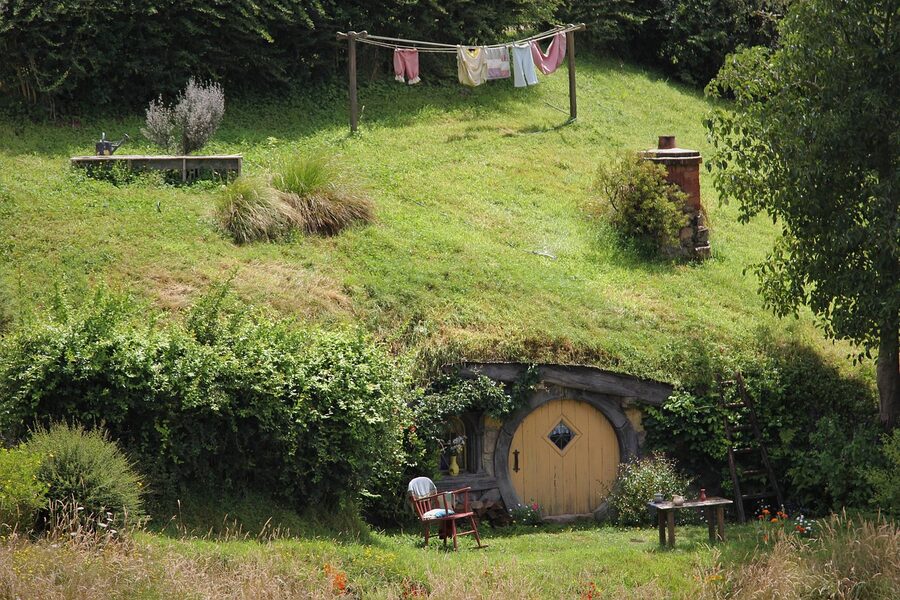
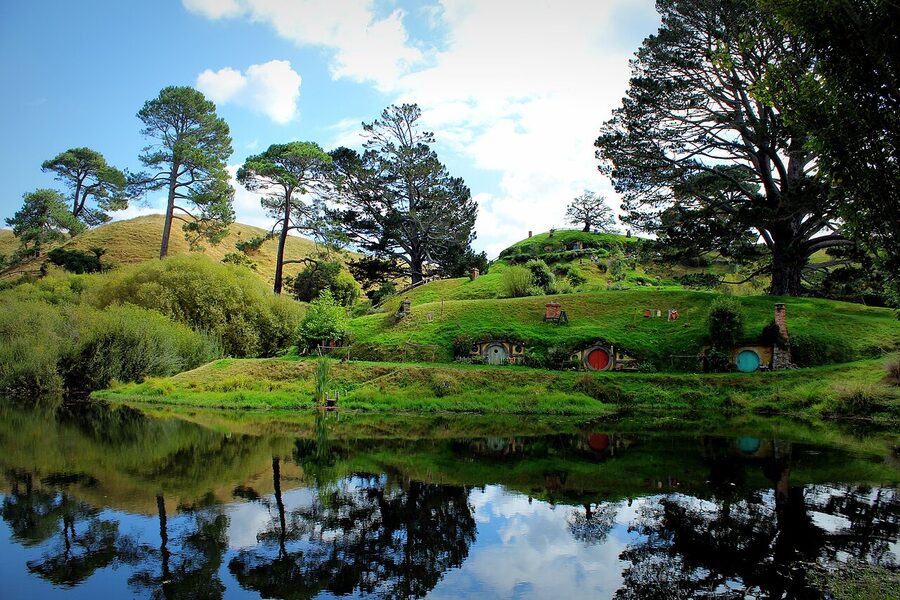
If you can only pick one and the math has to make sense, take the basic Movie Set Tour. The set is the set on every option. The added experiences are very nice but not transformative. The Evening Banquet is the only upgrade I would defend on visual grounds: seeing the lanterns come on and the windows light up across forty-four hobbit holes is a different thing, and it’s the closest the visit gets to feeling like a film moment instead of a photo opportunity.
Booking timeline and the high-season squeeze
December through February is the New Zealand summer high season and Hobbiton sells out three to six weeks ahead. The meal tours sell out earliest because there are fewer of them. If you are visiting between Christmas and the end of February, book the day you book your flights. Outside that window, two weeks ahead is usually fine for the standard tour and a week ahead for the meal tours. They sell about 1,500 tickets a day in peak season and the buses are booked one tour at a time, so a sold-out tour is genuinely sold out.
Note that there is a children-on-tour rule that catches some people: kids under 10 are free on the standard tour but they still need a ticket assigned to them, and the meal tours are not free for any age. Bring a passport if you want the complimentary alcoholic drink at the Green Dragon, otherwise the bartender will hand you a cordial. The over-18 rule is enforced.
Getting to Matamata: car, bus, or tour shuttle
Matamata sits in the central Waikato, two hours south of Auckland by car, 45 minutes from Hamilton, an hour from Rotorua, an hour and a half from Taupo, and two and a half hours from Tauranga. There’s no train, no airport, and the bus options are limited. Most visitors come by one of three routes.
Self-drive from Auckland
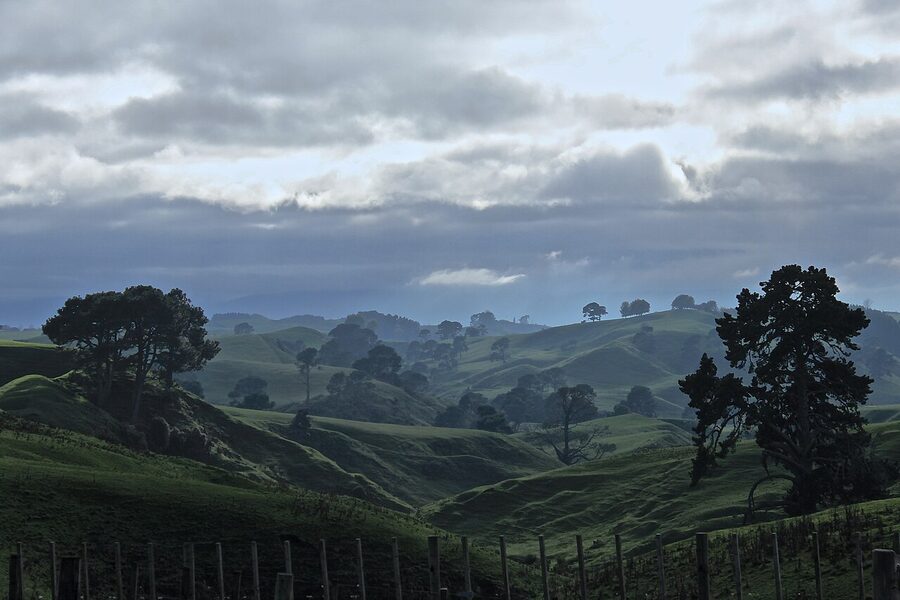
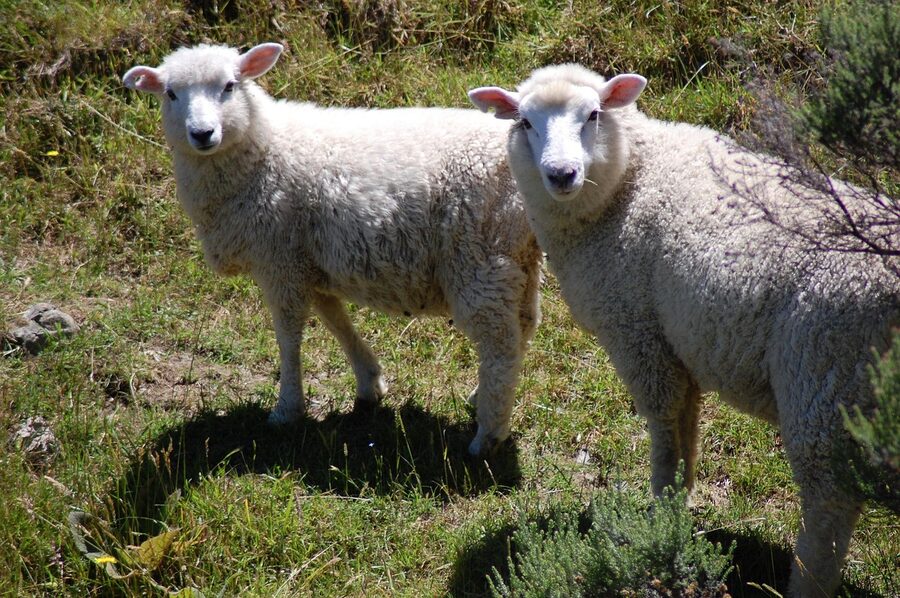
The most flexible and the way most visitors do it. Pick up a rental car at Auckland Airport, drive south on State Highway 1 to Hamilton, then east on State Highway 26 through Morrinsville to Matamata. Two hours, around 175km. The drive is straightforward but the SH26 stretch through the Waikato dairy country is the part you actually want to do this for. Endless rolling green pastures, herds of black-and-white dairy cows, sheep on the higher slopes, and the kind of light that explains why Peter Jackson kept stopping his helicopter to look at the area. Stop at the Sweet Painted Lady Cafe in Tirau (about 20 minutes south of Hobbiton) for the best pies in the central Waikato; the steak pie is the safe order.
If you’ve already booked a meal tour at Hobbiton, leave Auckland by 8am. If you’re doing the basic tour and want a 1pm or 2pm slot, leave by 10am. There’s almost never traffic outside the Auckland metropolitan stretch, so the two-hour estimate is reliable.
InterCity coach via Hamilton
InterCity runs a Hamilton-stopping coach from Auckland that connects to local services down to Matamata. The total trip is about three and a half hours one-way and prices vary, with cheapest fares from around NZD $20 if you book ahead. The catch: even when you reach Matamata you still need a 15-minute taxi or shuttle to The Shire’s Rest, since the iSite is in the centre of town and the set is on a farm road outside it. There are no public buses to Hobbiton. The Hobbiton-from-Matamata shuttle is included if you book your set tour in advance, but you have to time your bus arrival to your tour slot, which is fiddly. Doable, but the InterCity option only makes sense if you don’t drive at all.
Day tour from Auckland or Rotorua
The other workable option for non-drivers. Several operators run round-trip shuttles from Auckland or Rotorua with the Hobbiton tour included. The Auckland version is a long day (about 11 hours door-to-door) and most include a stop at Waitomo Caves on the way back, which is the right combination if you only have one day for both. From Rotorua the shuttle is about 7 hours and usually includes a buffet lunch. Multiple tours run from Auckland on Viator, and there’s a guided day tour with lunch on Klook; GetYourGuide also lists the Auckland-to-Hobbiton trip. The GreatSights NZ shuttle is the local operator that runs most of the Auckland round-trips.
Where to stay: Matamata, Karapiro, Hamilton, or Rotorua
Four reasonable bases. Matamata for absolute proximity. Karapiro for value and lake views. Hamilton for cheaper city hotels and an airport. Rotorua if you’re combining the visit with geothermal sights and a Maori cultural evening. Each has trade-offs.
Matamata
The town is small, an easy 15-minute drive from The Shire’s Rest, and built around a single main street with the iSite at its centre. It’s a working farming town that has leaned into Hobbiton tourism without losing its agricultural job. Stay here if you’re doing a Second Breakfast or Evening Banquet tour and don’t want to drive in the dark.
- Hills Vista Lodge is the closest stay to The Shire’s Rest, about a 10-minute drive away on a working farm. Three bedrooms, sleeps seven, breakfast included. The right pick for groups or families and the only legitimate “wake up next to Hobbiton” option.
- Highway to Hobbiton Guesthouse sits in central Matamata in a renovated villa. Walking distance to the iSite and the few decent cafes the town has.
- Walnut Lodge B&B offers stand-alone studio units with a wraparound balcony, a quieter option a few minutes north of the town centre.
- Tui Views B&B is a small queen-bedroom B&B sitting between Matamata and the set, run by a host couple who know the schedule of every tour and will wake you up at the right time for Second Breakfast.
Browse all Matamata options on Booking.com if none of those four work.
Karapiro and Cambridge
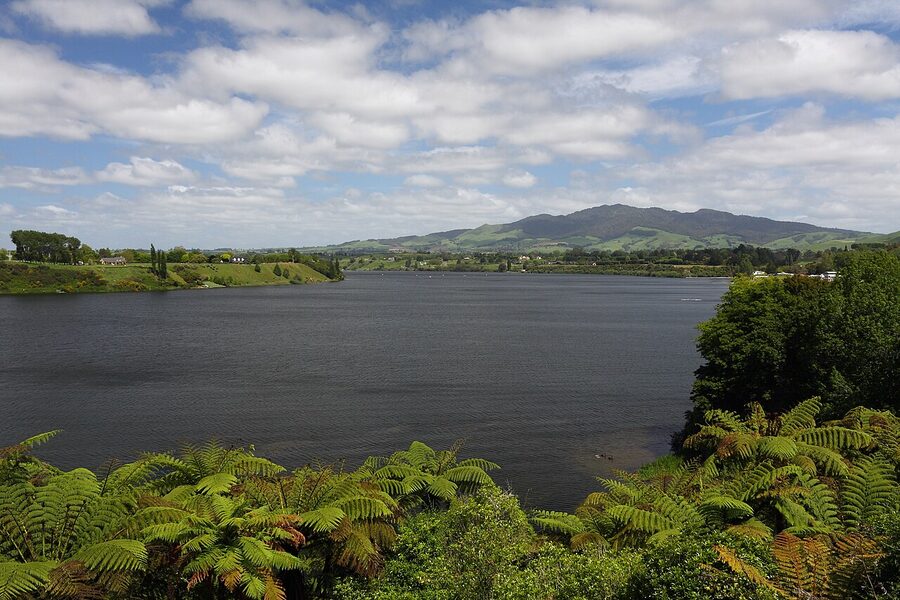
Lake Karapiro is a 25-minute drive west of Matamata along the Waikato River. It’s quieter, the lakeside properties tend to be larger and cheaper than the equivalent Matamata stays, and you get water views thrown in. The downside is the early-morning drive if you’re doing Second Breakfast. Lake Karapiro Lodge and Lakeview Lodge Karapiro Hamptons are the two most reliable options. Browse the area for short-term apartment rentals if you’re a group.
Rotorua
An hour south of Hobbiton and a destination in its own right: geothermal lakes, mud pools, geysers, and the country’s most accessible Maori cultural villages. If your trip is more than just Hobbiton, this is the right base. The downside is the drive each way, which adds two hours to your tour day. The benefit is that you can do a Maori cultural evening, the Tamaki dinner-and-show, and a morning of geothermal walks at Wai-O-Tapu without doing a separate trip. If you’d rather stay in Matamata for proximity, that’s the trade.
The tour, beat by beat
The standard Movie Set Tour follows the same arc whether you do it at 9am or 4pm. Knowing the rhythm helps you pace your phone battery, decide when to ask the guide questions, and figure out when to break off for a photo without slowing the group.
Step 1. Check in at The Shire’s Rest
You arrive at 501 Buckland Road, Hinuera at least 15 minutes before your tour time. There’s free parking, a cafe with surprisingly decent coffee for a tourist site, a small gift shop, and bathrooms. The cafe is the only food option and it gets busy when meal-tour buses unload. If you’ve packed your own snack, the picnic tables outside are pleasant. Don’t expect a great gift shop. Visitors who write reviews complaining the gift shop is small are not exaggerating; it’s three magnets, some tea, and a lot of figurines.
Step 2. The shuttle in
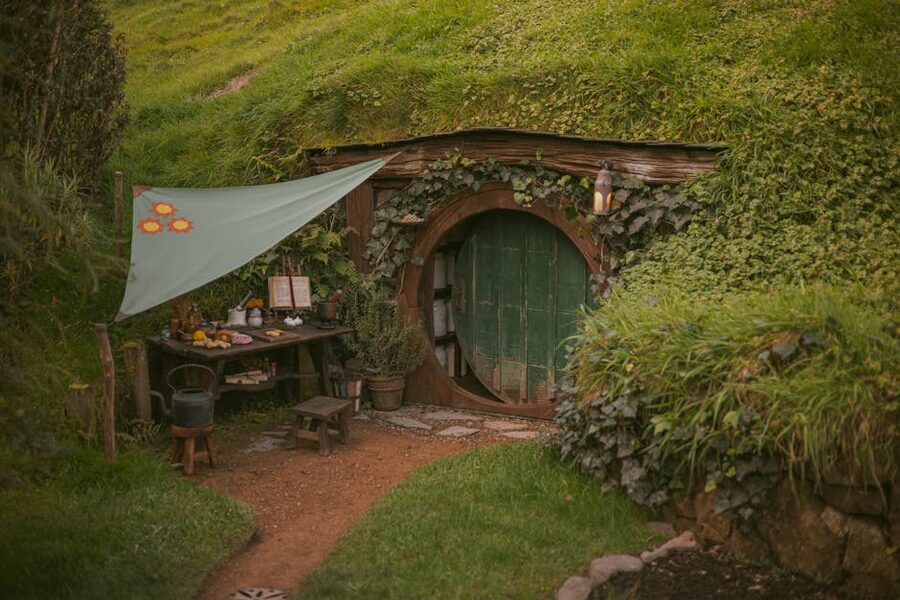
You board a green bus and watch a short Peter Jackson welcome video on the screen during the 10-minute drive. The bus winds along Buckland Road, then turns onto a private farm road that climbs through paddocks of sheep and cattle until you reach the set car park. From the car park you cannot see the set yet; the path turns a corner and the village reveals itself in one of those small theatrical reveals that the Hobbiton team has clearly choreographed.
Step 3. Walking the village
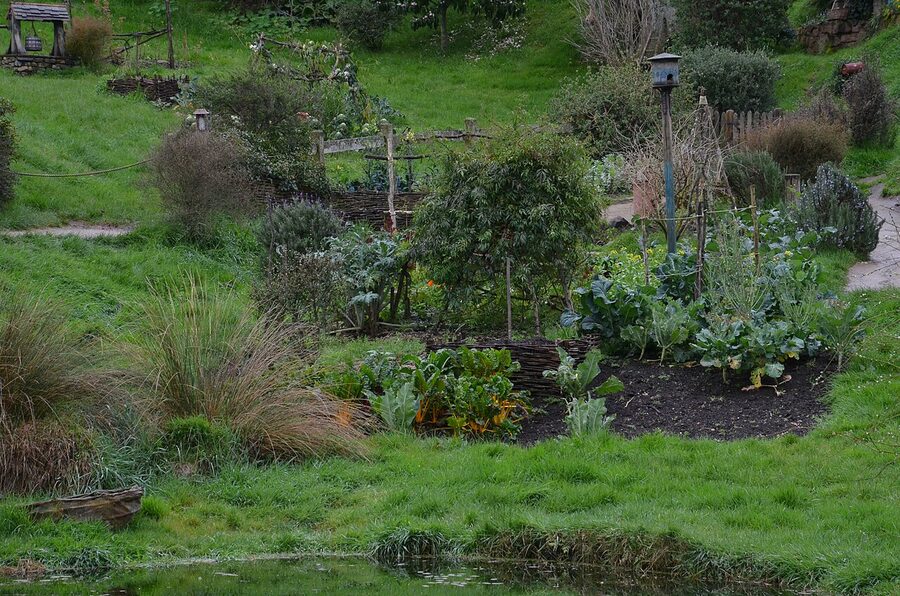
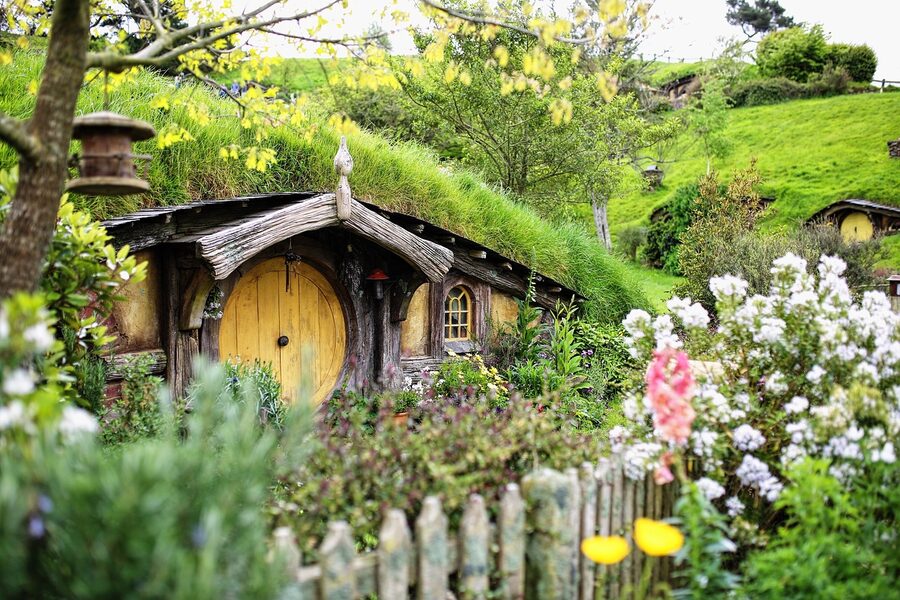
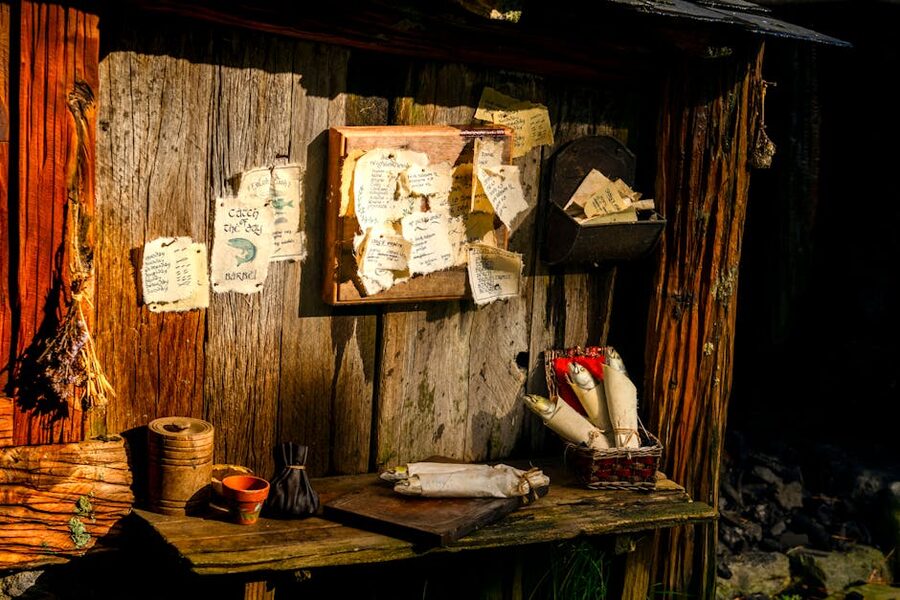
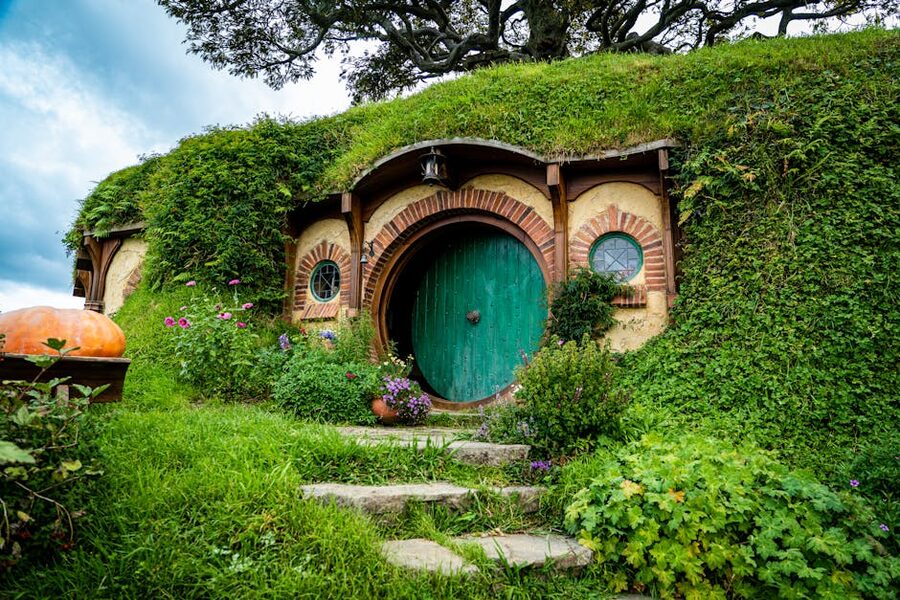
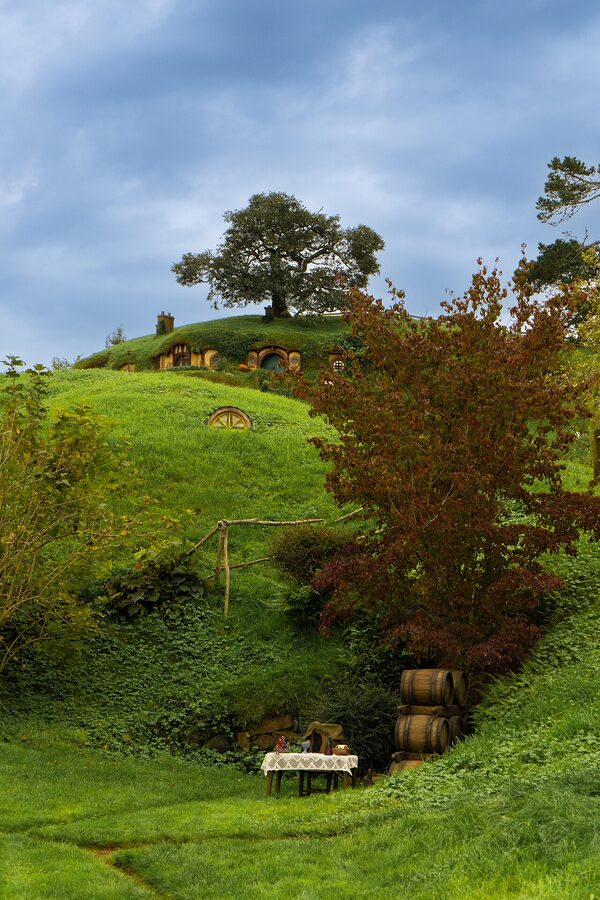
The walking section is about an hour. You enter at the bottom of the village, pass the first row of small hobbit holes, climb the path past the gardens and the apple-tree-that-is-now-a-plum-tree, and end up at Bag End on the top of the hill. The guide stops at perhaps six set-pieces along the way, each with a few minutes for photos. The standout details are not the holes themselves but the obsessive prop work: the beekeeper’s mailbox shaped like a bee, the fisherman’s mailbox shaped like a fish, the Party Tree (which is a real tree but with 200,000 hand-painted artificial leaves wired into it for filming continuity), and the seasonal vegetable garden, which actually changes with the New Zealand seasons because Peter Jackson’s continuity team is unhinged about that kind of thing.
You will not get to step right up to the door of Bag End. It’s roped off and that’s where the tour photographers stand for paid group shots if you’ve ordered them. The viewing angle is twenty feet away with the famous No Admittance Except On Party Business sign visible. If that bothers you, this is not your tour and you should not be reading this guide.
Step 4. The interior hobbit hole on Bagshot Row
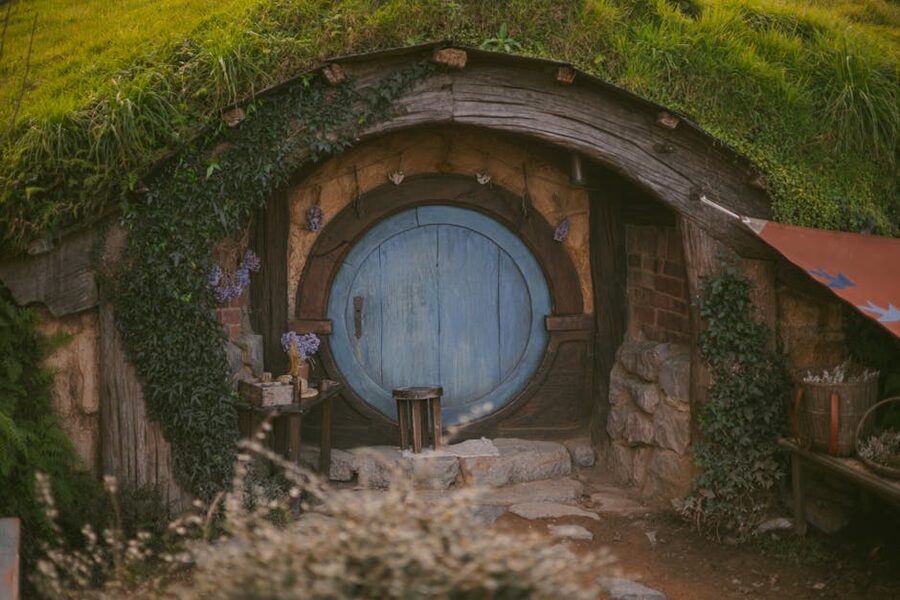
Halfway down from Bag End you’ll be split into two smaller groups and led inside one of the two interior hobbit holes that opened in late 2023. These are the only fully furnished hobbit interiors visitors can enter, and they are the highlight of the set tour for most people. About 15 minutes inside, you can pick things up, sit on the furniture, and read the books on the shelves. Some of the props are exact copies of film props and some are the actual originals. The guide will tell you which is which.
Step 5. The Green Dragon Inn
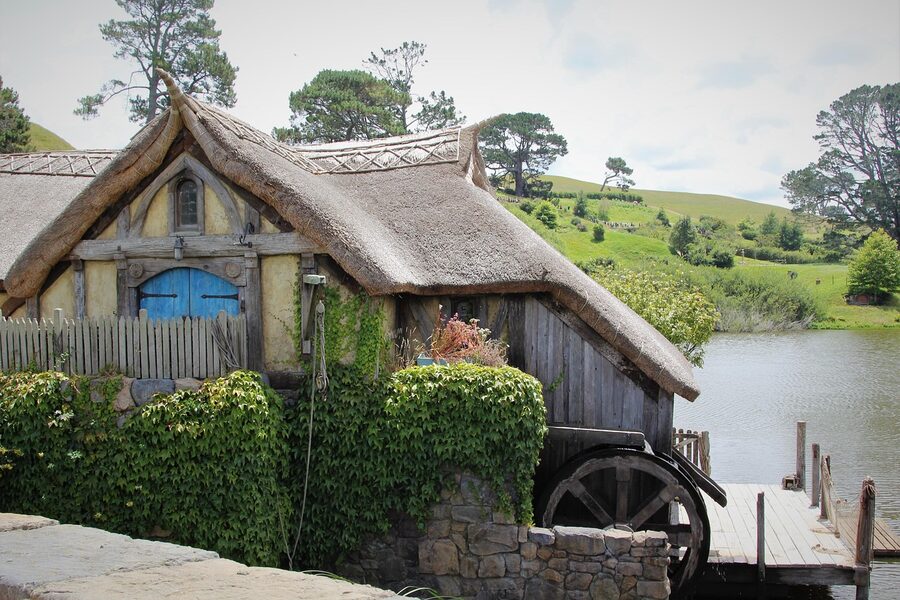
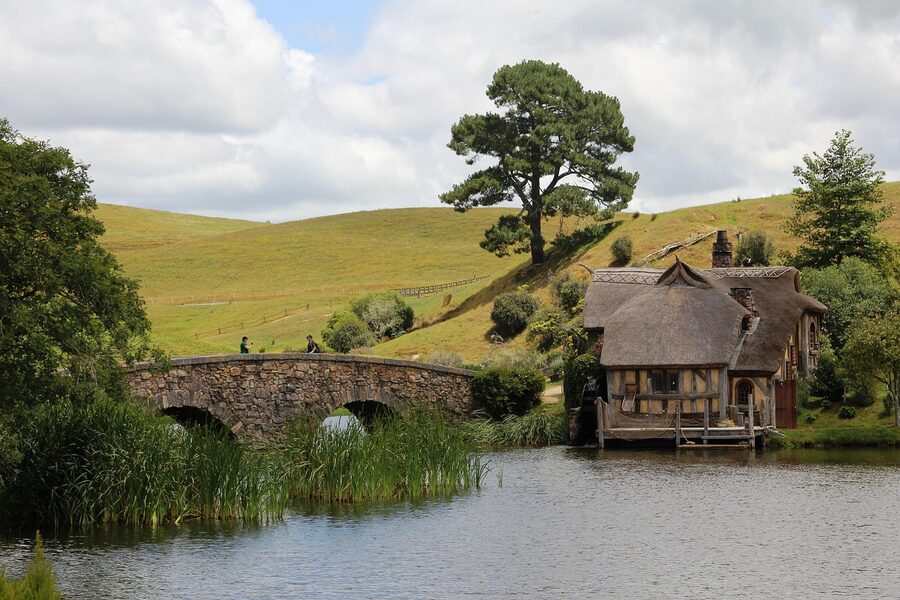
The walking tour ends with a 15-minute drink at the Green Dragon Inn, a fully working pub built into the set. Choose between the Southfarthing range of hobbit-themed beers, ciders, and a non-alcoholic ginger beer. The amber ale and the apple cider are both genuinely good (brewed for Hobbiton by a Waikato microbrewery). Bring a passport if you want the alcoholic option. The mug is yours to keep at the meal tours; on the standard tour you hand it back. Inside, look for the gold-leaf brooch hangers in the toilets. They’re a copy of the Leaves of Lorien brooches the Fellowship wear; the kind of detail you’ll only notice if you’re already looking.
Step 6. The shuttle out
You walk back to the car park, board the bus, and watch a few clips from the films showing scenes from the set you just walked. This is the beat where you realise the iconic Bilbo “I’m going on an adventure!” run was filmed exactly where you stood ten minutes earlier. Then you’re back at The Shire’s Rest and your visit is over. Total time: about two hours and ten minutes.
What to wear, what to bring
The set is outdoors and shaded only in patches. The New Zealand sun is fierce because the ozone layer above the country is thinner than in the northern hemisphere; this is not a marketing line, it’s atmospheric chemistry. Wear sunscreen, a hat, and bring a water bottle even on a cool day. The walking is on uneven gravel paths with some moderate slopes; trainers or walking shoes are right, ballet flats and proper sandals are wrong. If it’s raining, the set provides umbrellas, and the tours run rain or shine; the gardens look better in the rain anyway.
What to leave at home: a tripod (you can’t set one up on the path) and a drone (banned across the entire 1,250-acre Alexander farm and the airspace above it; people get fined for this several times a year).
The other LOTR locations within driving distance
If you’ve made it to Matamata, the question is what else fits a New Zealand North Island Lord of the Rings itinerary. The honest answer: not as much as the South Island. Most of the iconic landscape work in the films was shot in the South Island. But three North Island locations are worth a side trip if your itinerary supports it.
Tongariro National Park: Mount Doom and Emyn Muil
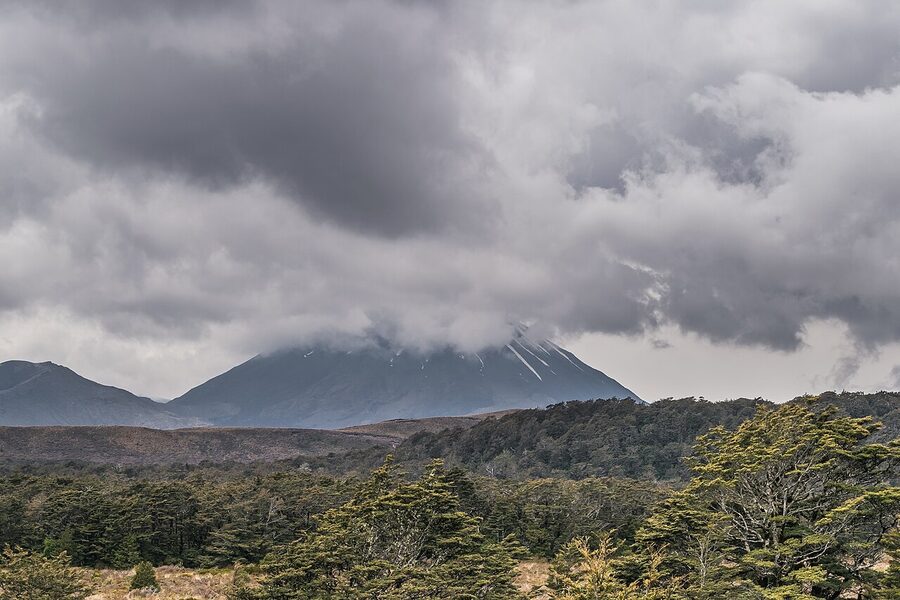
Tongariro National Park sits about three and a half hours south of Matamata. Mount Ngauruhoe, the perfect volcanic cone, was used as the exterior of Mount Doom in the wide shots. (The summit close-ups were shot on Mount Ruapehu, the larger active volcano next door.) The classic way to see Ngauruhoe is the Tongariro Alpine Crossing, a 19.4-kilometre one-day hike that crosses the saddle between Ngauruhoe and Tongariro and takes 7-8 hours. It is one of the great day walks of New Zealand, but it is not casual; it requires real fitness, weatherproofing, and an early start. Local iwi (Ngati Tuwharetoa) ask hikers not to climb to the summit of Ngauruhoe itself, which is sacred. The Department of Conservation maintains a Lord of the Rings locations page if you want to plan more deeply. If a 7-hour hike isn’t for you, you can drive to the Whakapapa village at the base of Ruapehu in a couple of hours from Taupo and get the same Mount Doom view from the chairlift platform.
Putangirua Pinnacles: the Paths of the Dead
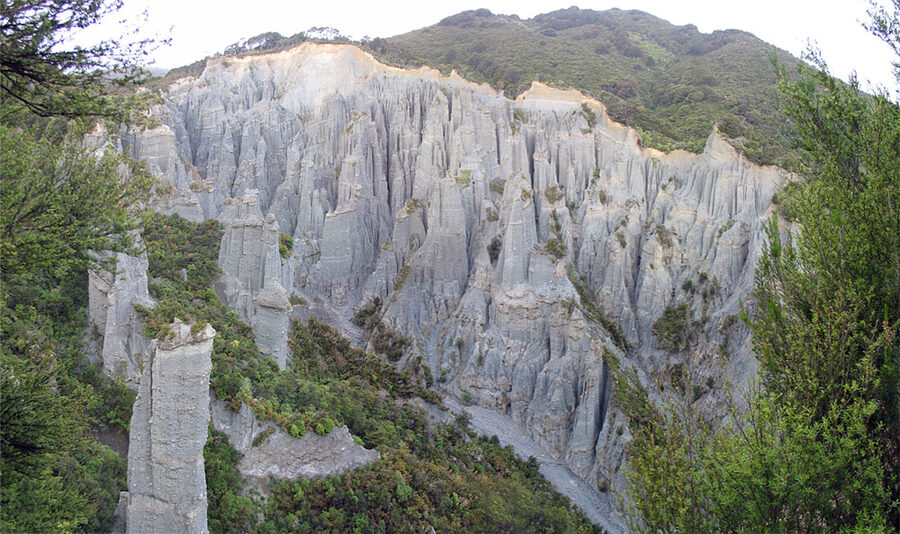
The Putangirua Pinnacles in the Wairarapa, on the southern tip of the North Island near Wellington, were used for the Paths of the Dead sequence in The Return of the King. The Pinnacles are weathered earth-pillar formations created by 7-million-year-old gravel beds eroding into spires. They look unmistakably like the film. The downside: they’re a long way from Matamata (about 7 hours by car) and only really make sense as a Wellington-based side trip rather than a Matamata-based one. If you’re doing a North Island road trip that ends in Wellington, this is a worthwhile stop.
Weta Workshop, Wellington
The third LOTR pilgrimage on the North Island is Weta Workshop in Wellington, the visual effects company that built much of the films. The Wellington tours go inside the workshops and the Weta Cave shop. There’s also a separate Weta Workshop Unleashed experience in Auckland that’s a more theatrical, family-friendly version of the same idea. If your route is Auckland to Matamata to Wellington, both Weta options are worth fitting in.
What to do in Matamata if you arrive early or stay overnight
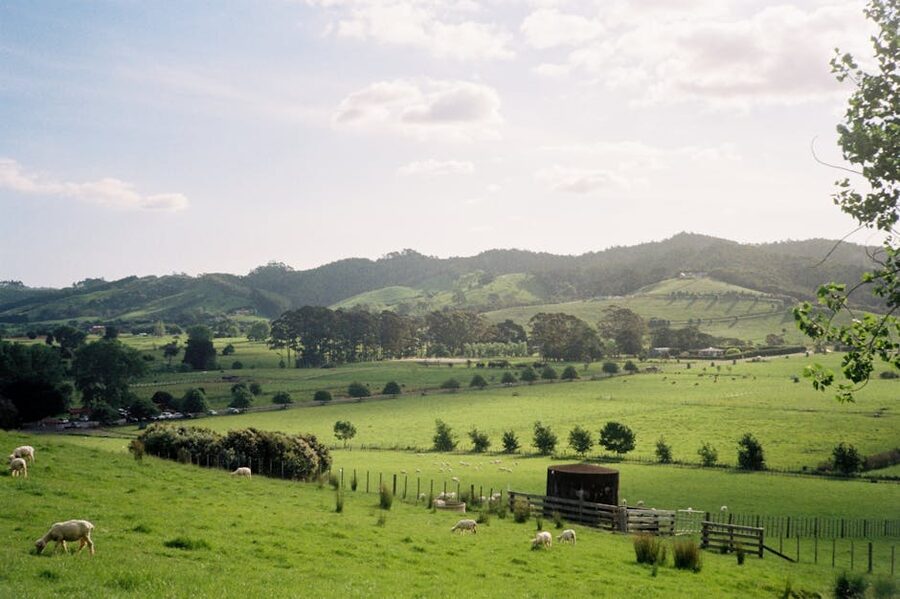
Matamata itself is a 7,000-person town that earned its current shape from dairy farming and thoroughbred racing horses. Hobbiton is the headline attraction but the town has a couple of side trips that make a half-day worthwhile.
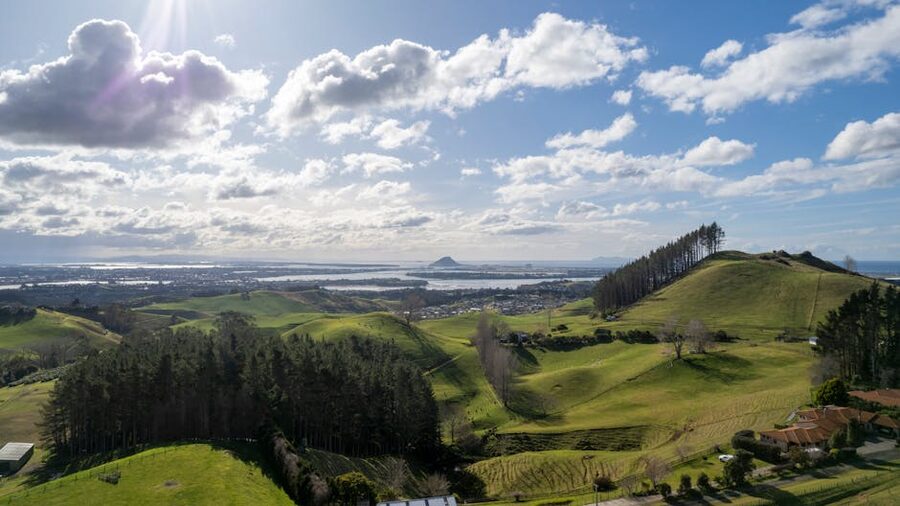
- Wairere Falls: the highest waterfall on the North Island at 153 metres. The car park is 15 minutes east of Matamata at the foot of the Kaimai Range. The walk to the lower viewing platform is an easy 45 minutes return; the upper platform is a steeper 90 minutes one-way and worth the climb on a clear day.
- Firth Tower Museum: a 19th-century octagonal concrete tower built by Auckland businessman Josiah Firth in the 1880s, set in a small heritage village a kilometre from the centre of Matamata. The opening hours are limited (Friday to Sunday, 10am-3pm) and the entry is around NZD $10. Goes well after Hobbiton if you want a different angle on the town’s history.
- Opal Hot Springs and the Karangahake Gorge: 20 minutes north and an hour east respectively. Opal is a small thermal pool complex with cheap entry (NZD $14 adult). The Karangahake Gorge is a former gold-mining route with old railway tunnels and bush walks; bring a torch for the longer tunnel walk.
- The Saturday morning farmers’ market on Tower Road, runs 8am-noon. Local cheeses, sourdough from a baker who used to work in Wellington, and the kind of vegetables you should be eating in Hobbiton itself.
If you’re staying overnight in Matamata, the eating-out scene is small but reasonable. Workman’s Cafe on Broadway does the best breakfast in town. Redoubt Bar & Eatery is the after-dark option for proper dinners. Both will be full of Hobbiton tour buses on the second-breakfast and evening-banquet days, so book ahead.
Honest takes on the visit
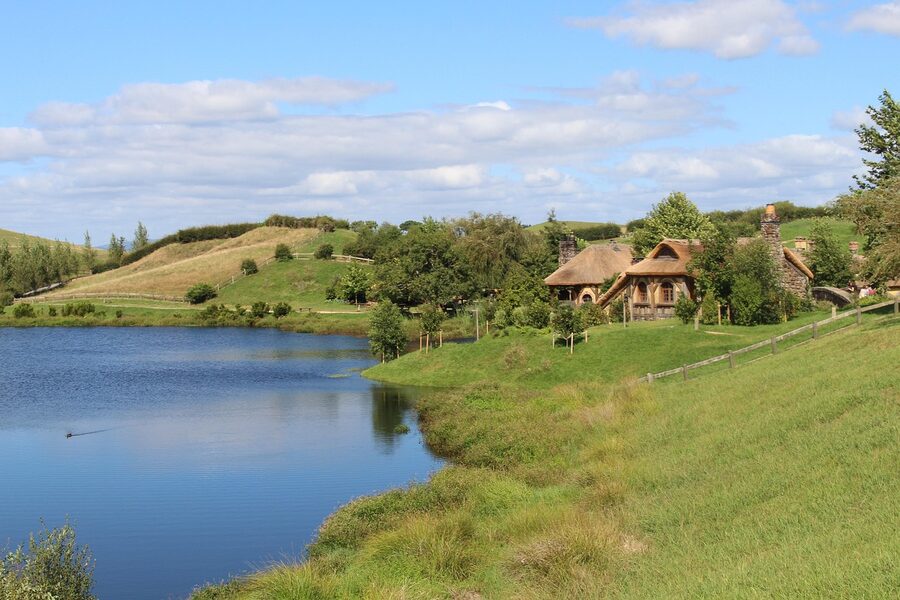
The flat truth: Hobbiton is a paid set tour, not a transcendent one. The tour will have forty other people on it. You’ll wait while strangers take selfies. The guide will herd you on a tight schedule. Some hobbit holes are surprisingly small because they were built for forced-perspective filming. Others are surprisingly large for the same reason. If you arrived expecting Disneyland with hobbits, you’ll be disappointed; if you arrived expecting nothing, you’ll be impressed.
What does work:
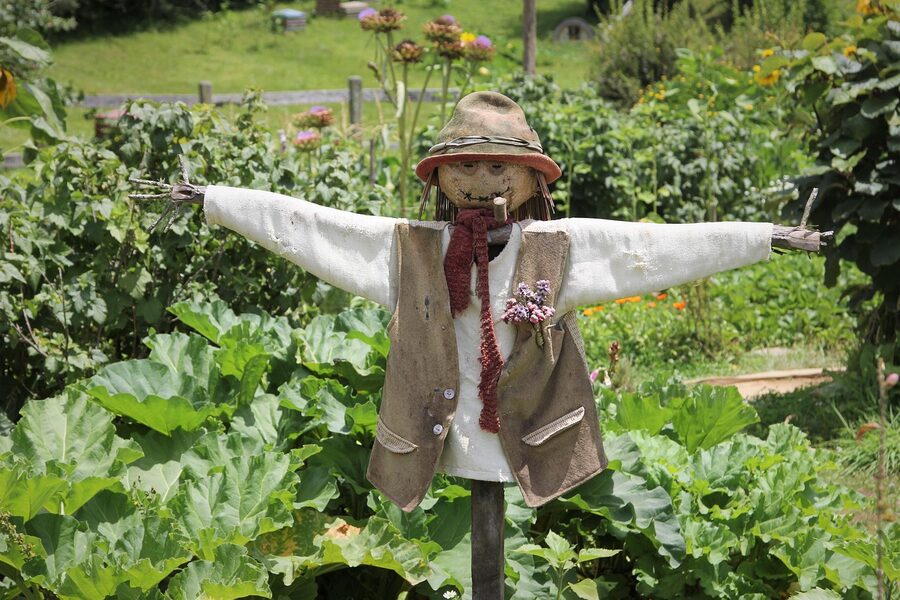
- The attention to detail is genuine. They actually grow seasonal vegetables in the gardens. They actually maintain an apple-tree-that-was-converted-into-a-plum-tree. The Party Tree’s 200,000 hand-painted leaves were a real thing they did.
- The Green Dragon is a real working pub with real-ish beer. Worth the price of the tour for the half hour you get inside.
- The interior hobbit holes (open since late 2023) are the strongest part of the visit. If you’re comparing tours, the standard tour includes one and the meal tours don’t add a second. So the basic tour is enough.
- The drive in is part of the experience. If you book a city-to-Hobbiton round-trip shuttle you skip the Waikato countryside, which is a third of why you came.
What doesn’t:
- The Bag End door is roped off. You cannot get the famous photo. Lower expectations and you’ll be fine.
- The gift shop is small and limited. Buy your souvenirs in Wellington at Weta Cave instead.
- The summer set looks browner than the winter or spring set, because the surrounding farmland is in midsummer drought. This is the opposite of intuitive: visit in spring (September-November) for the lushest version.
- If you’re not interested in the Lord of the Rings or Hobbit films, the visit is half as interesting. The guide leans on film references and assumes you’ve at least seen the trilogy.
Reading order, if you’re new to Tolkien
Quick aside, since this is theyabooktraveler. Tolkien wrote The Hobbit first (1937), then The Lord of the Rings (1954-1955) eighteen years later. They’re set in the same Middle-earth but the first is a children’s adventure and the second is a longer, denser work for adult readers. If you’re visiting Hobbiton fresh, the right order is: read The Hobbit, watch the Peter Jackson Lord of the Rings trilogy on the flight over, save the Hobbit films for the flight home (they’re divisive), and don’t bother with The Silmarillion until you’ve done all of that. The Tom Bombadil chapter in Fellowship is the only chapter most fans skip; do not feel obliged to push through it on your way to New Zealand.
How Matamata fits into a longer book-and-travel itinerary
If you’re doing a series of trips that pair a book with a real-world city, Hobbiton is the most obviously cinematic of them. It’s also the one where the gap between the book and the actual place is widest. Tolkien’s Shire is fictional Worcestershire transplanted into a fantasy world; the Hobbiton set is a New Zealand sheep farm where Peter Jackson built a Worcestershire-styled village. So if you came to Matamata expecting “what Tolkien saw,” you came to the wrong place.
For a more direct book-place fit, our Twilight travel guide to Forks, Washington covers a small American town that’s still trading on Stephenie Meyer’s books and gives you a more literal version of the literary-pilgrimage experience. Our Anne of Green Gables travel guide to Prince Edward Island is the classic example of a book-and-place pilgrimage where the author actually wrote about the real island. Our Hunger Games travel guide to Asheville, North Carolina is closer to Hobbiton’s “filming locations” angle, since most of the District 12 scenes were shot in the Blue Ridge mountains around Asheville, and the local economy now includes Mockingjay tours. And our Harry Potter travel guide to London is the most literal in the queue: real city, real Rowling stomping grounds, real platform 9¾.
If you’re new to the idea of pairing a book with a real city, our Read and Travel Challenge hub walks you through how to build a year of “read the book, then go to the place” into your trip planning, with a list of fourteen book-city pairs and how each one works in practice.
Final word
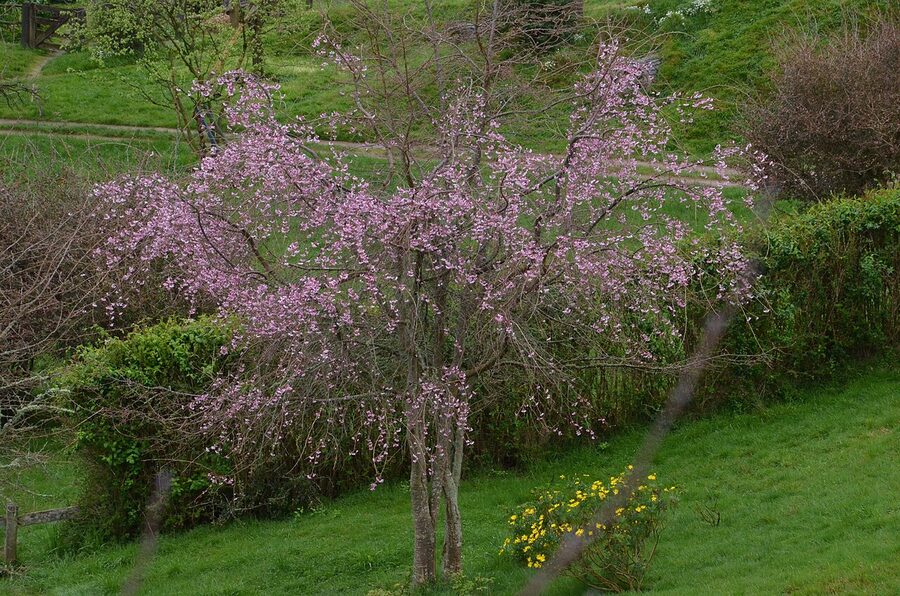
Book the Movie Set Tour, drive yourself out of Auckland with the windows down, stay one night in Matamata or Karapiro, and time your visit for the third week of October if you can. That’s the version of the trip I’d plan for someone with a Tolkien-shaped hole in their summer and a strict budget for one premium meal. If you’ve got room for the Evening Banquet and your trip lands between September and November, do it; there’s no other way to see Hobbiton at dusk with the lanterns on. Either way, don’t believe anyone who tells you they got into the Shire without a ticket. They didn’t.


.jpg)


.jpg)