
If you only do one thing before you book the flight, do this: open the Anne Frank House booking page and grab a timed-entry slot. Tickets release exactly six weeks ahead at 10am Amsterdam time and the Saturday afternoon slots are gone in under a minute. Hazel gets her ticket in the book. You will have to work harder than she did.
Most TFIOS guides will send you on a film tour: bench, hotel, Rijksmuseum tunnel, done in an afternoon. This isn’t that. The Fault in Our Stars is a novel first, and the Amsterdam Hazel sees in chapter twelve is messier, more specific, and more interesting than the four-camera shoot the 2014 film made of it. She lands at Schiphol jet-lagged and angry. She drinks champagne in a restaurant that doesn’t exist. She climbs the steepest stairs in Europe wearing an oxygen tank. The book version of the city is the one worth following.
This guide is for two readers. The TFIOS fan who wants to find Hazel’s Amsterdam, not the film crew’s. And the regular traveller who’s heard the canals are good and wants to know what to actually do here. Both of you should read both halves. The book is a useful lens. The city stands on its own.
In This Article
- The practical bit before you go
- When to come
- Anne Frank House: the room where Hazel and Augustus kiss
- The bench at Leidsegracht 4
- The hotel: American Hotel vs Hotel de Filosoof
- Vondelstraat 162: where Peter Van Houten doesn’t open the door
- Vondelpark: the part nobody tells you about
- The Rijksmuseum and the underpass scene
- Restaurant Oranjee that doesn’t exist (and where to actually eat instead)
- The canal boat ride: do it once, do it right
- A self-guided TFIOS day-walk through Amsterdam
- Where to actually stay
- Other Amsterdam things, in honest order
- Getting around once you’re here
- If you only have one day
- The verdict
The practical bit before you go
Amsterdam works as a long weekend or a midweek city break. Three nights is the sweet spot. Two nights only works if you skip a day-trip; one night isn’t enough to do this guide and sleep.
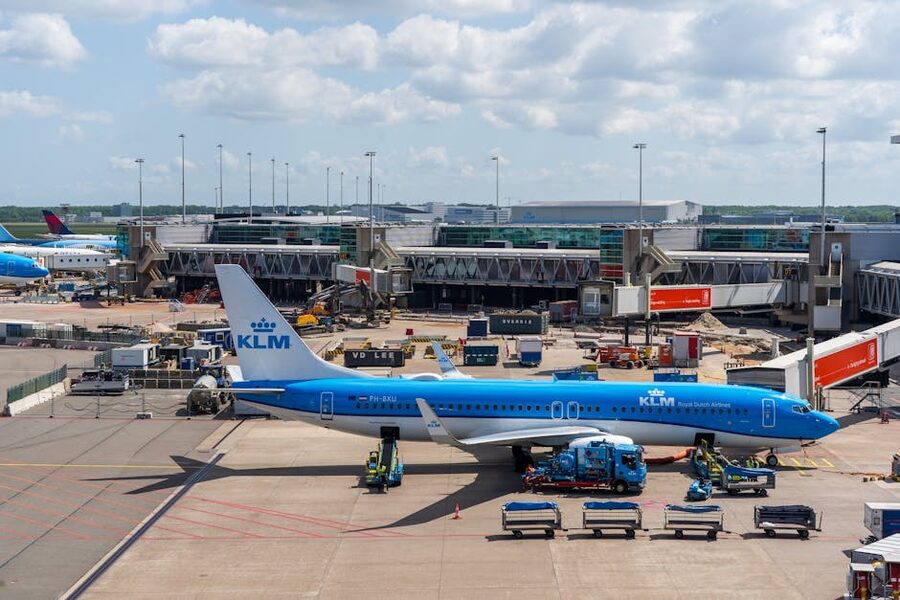
Schiphol is one of Europe’s most efficient airports. Trains from arrivals go to Amsterdam Centraal in 17 minutes for around €5.40 single. From Centraal, every place in this guide sits within a 25-minute walk or a single tram ride. Don’t bother with a car. Do bother to figure out the trams in advance: load an OV-chipkaart on your phone, or buy a 24-hour GVB pass for €9 from any tram driver.
If you only read three chapters of the book before you arrive, read twelve, thirteen, and sixteen. That’s the whole Amsterdam stretch. Hazel arrives, the picnic happens, the Anne Frank House happens, the hotel-room scene happens, then she flies home. Forty pages, total. You can do it on the plane.
When to come
April to early June is the best window. Tulips peak around mid-April at Keukenhof, the canals start filling with day boats by May, and you avoid the hen-do tide that floods Amsterdam from June through August. October is the underrated month: golden Vondelpark, museum queues at half their summer length, the chance of one of those drizzly afternoons that the book actually describes.
Avoid King’s Day (April 27) unless that is your trip. The whole city wears orange and nothing else functions for 48 hours.
Anne Frank House: the room where Hazel and Augustus kiss
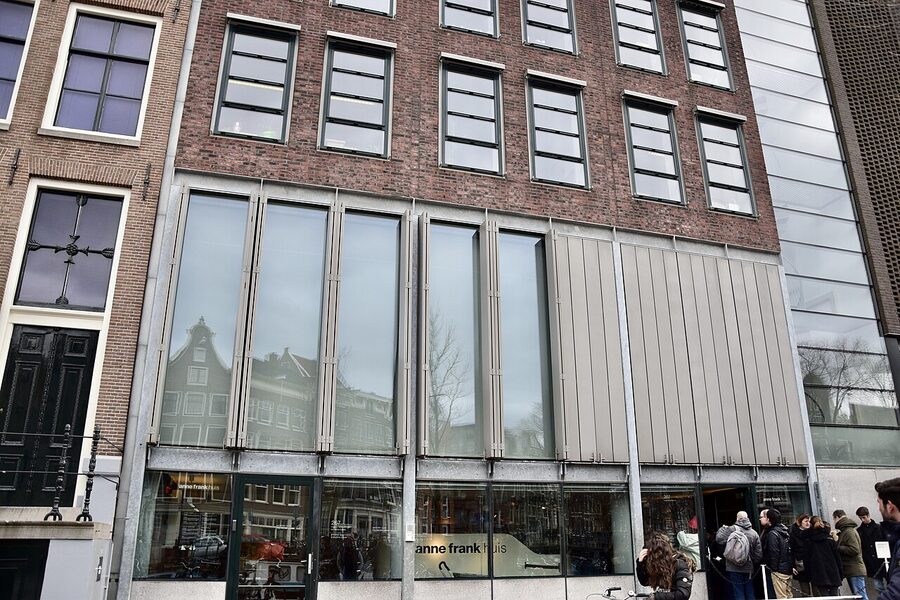
This is the chapter sixteen scene. Hazel has just been told she has water in her lungs by a doctor who didn’t know who she was. Augustus, with his prosthetic leg and his bad heart, climbs the steep stairs of the Annex behind her. She has to stop on every landing. They reach Anne’s bedroom. They kiss. The other tourists clap.
It is, on paper, a strange place to set a kiss. Green knew exactly what he was doing. The Annex is a room about a teenage girl who didn’t get to grow up. Anne wrote there from age 13 to 15. Hazel, in the book, is 16. The geography is the metaphor.
The museum entrance is at Westermarkt 20, around the corner from Prinsengracht 263. Adult entry is €18. Tickets are released exactly six weeks before the date you want, at 10am Amsterdam time, on the official Anne Frank House site. Set a calendar alert. The morning slots vanish first. There is no walk-up entry. None. Not in the off-season. Not at all.
Once inside, allow 75 to 90 minutes. The audio guide is included and worth using. Photography is forbidden everywhere; phones go in your bag. The stairs in the Annex are nearly vertical and there’s no lift. If you have any mobility issue (Hazel’s would qualify), email the museum ahead and they will route you sensitively, but the upper rooms are physically inaccessible to wheelchairs.
One detail the film glosses: the kiss happens in the bedroom Anne shared with Fritz Pfeffer, the dentist who joined the family later. The wall above her desk still has the photographs of film stars and the Royal Family she pasted up. Stand in front of them for thirty seconds. That’s the whole point.
The bench at Leidsegracht 4
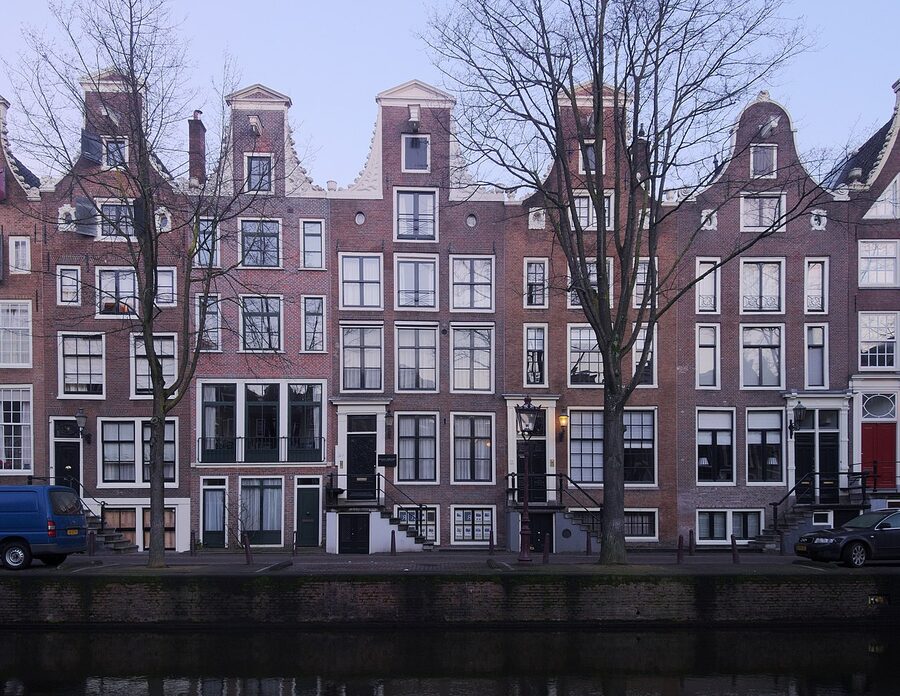
The bench scene is in chapter fourteen of the book, but the bench itself is a film invention. In the novel Hazel and Augustus sit by a canal after the disaster lunch with Peter Van Houten; Green never specifies which canal. The film picked Leidsegracht 4 and made it iconic, which means TFIOS pilgrims now go there expecting a specific bench.
The original was stolen in summer 2014, weeks after the film hit cinemas. The city replaced it. The replacement is regularly stolen and replaced again. The current one is bolted down. Whether it’s the “real” one is a debate you can have on the bench while you’re sitting on it.
The address is Leidsegracht 4, 1017 NB Amsterdam. It’s a five-minute walk from the Leidseplein, on the south side of the canal where it meets the Keizersgracht. It is not signposted in any way. Half the people walking past have no idea. Take your photo, sit for ten minutes, watch a canal boat pass underneath. You’re done.
If you are emotionally invested in this bench, go on a weekday morning. By Saturday afternoon there’s usually a small queue of teenage girls with each other’s phones.
The hotel: American Hotel vs Hotel de Filosoof
This one is genuinely confusing and almost every other guide gets it slightly wrong, so here’s the clean version.
In the book, Hazel, Augustus and Hazel’s mum stay at Hotel de Filosoof. It’s a real Amsterdam hotel that existed at Anna van den Vondelstraat 6, themed around philosophers, each room named for a thinker. Green chose it because Augustus would have. Hotel de Filosoof closed in 2012, was rebranded as Hotel Pillows, and as of 2026 the building has changed hands again. You can walk past the address but you can’t book a room there as Hazel did.
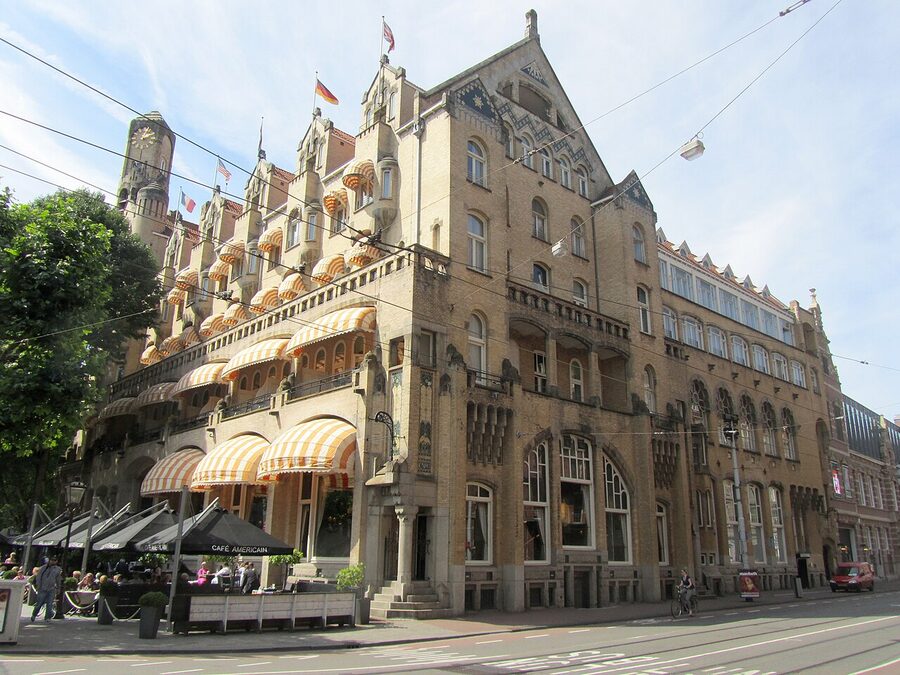
In the film, the production used the American Hotel on Leidsekade for exterior shots and lobby scenes. This is an entirely different building, a 1902 art-deco landmark on Leidseplein. The famous Café Americain is downstairs. The film uses it because the Filosoof was already closed during shooting and the American is more photogenic.
If you want to sleep in Hazel’s hotel, you can’t. If you want to sleep in the film’s hotel, you can: it’s now the Clayton Hotel Amsterdam American, doubles from around €260 a night. If you want to drink a coffee in the same room a Hollywood director liked enough to use, walk into Café Americain off the lobby. They take walk-ins and the room is open until late.
Walk past the old Filosoof site too if you’re already in the Vondelpark area. Anna van den Vondelstraat 6 is a quiet residential street two minutes from the park’s main entrance. There’s nothing to see, no plaque. That’s the right amount of attention to give it.
Vondelstraat 162: where Peter Van Houten doesn’t open the door
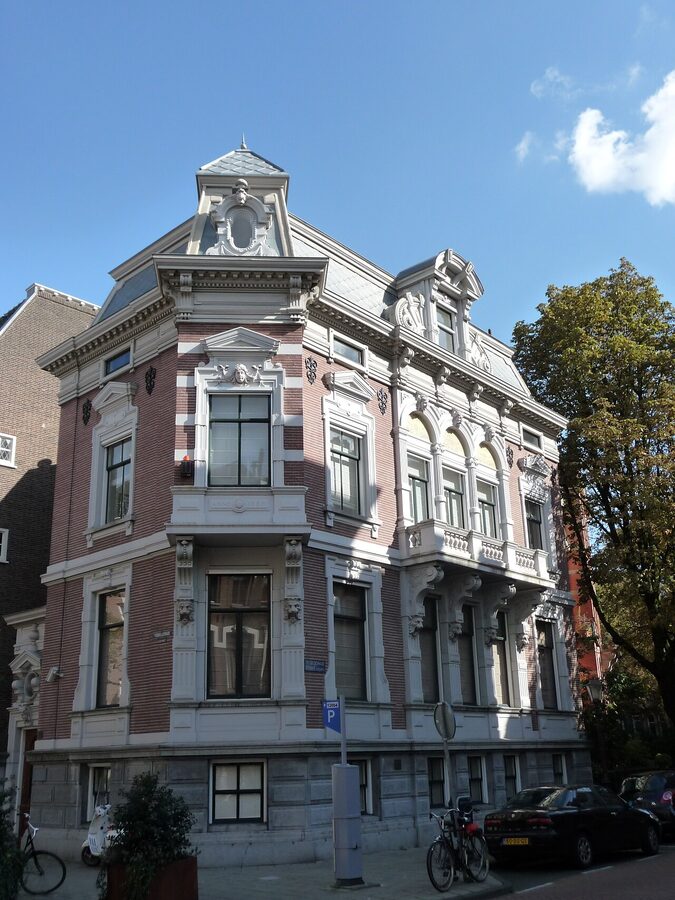
The film puts Van Houten’s house at Vondelstraat 162, a tall brick townhouse on the long quiet street that runs along the north edge of Vondelpark. The book never gives a number, but Green described the area accurately: it’s the kind of house an angry, semi-reclusive author would buy with the royalties of one famous novel and nothing since.
This is the chapter fourteen disaster. Hazel and Gus arrive on schedule, dressed as well as they can manage, having flown to another continent for an answer. Van Houten is drunk, cruel, and refuses to tell Hazel what happens after Anna’s mother in An Imperial Affliction. They leave in tears. The whole arc of the trip pivots on this scene.
The house is a private residence. Stand on the opposite pavement to take a photo. Don’t ring the bell. Don’t loiter on the doorstep. The address has been on every TFIOS list for over a decade and the actual residents are tired.
While you’re on the street, walk to the western end and you’ll hit the southern edge of Vondelpark. Drop into the park instead. That’s the better next move.
Vondelpark: the part nobody tells you about
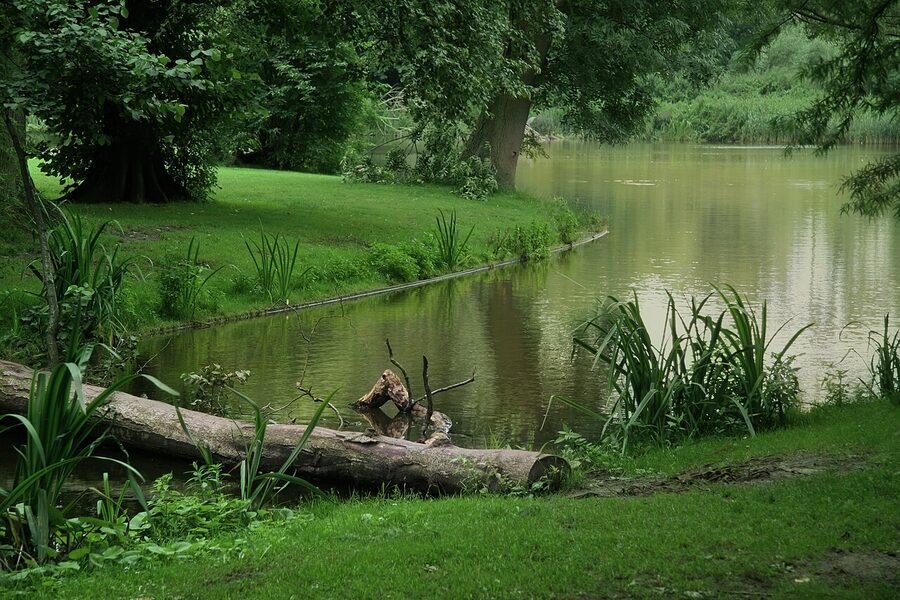
Vondelpark gets a single line in the book (Hazel mentions it in passing) and barely a frame in the film. This is unfair. It is the green lung of Amsterdam, 47 hectares stretched out south-west of the centre, busier on a sunny weekday evening than most parks anywhere are on a Saturday. If you’ve spent a morning at the Anne Frank House, half a day in the Annex headspace, then climbed the stairs of the Filosoof and met your dead author at Vondelstraat 162, this is where you sit on the grass and let the city be a city again.
Enter from the north end (Stadhouderskade) and walk south. The path loops; you can’t really get lost. About a kilometre in there’s an open-air theatre that runs free shows on summer weekends. Past that, the rose garden. Past that, a small lake with a flock of opinionated geese. The whole length is maybe 2 km and takes 30 minutes at a slow pace.
Two practical notes. The grass is open to the public; people drink beer and wine on it (no glass after dark). The cafés in the park (the Blauwe Theehuis, the Groot Melkhuis) are decent for a coffee but overpriced for a meal; eat outside the park. There are public toilets but they cost €0.50 and only take coins.
If you want to read the book in Amsterdam, this is the place. The bench is a tourist event; Vondelpark is where you actually finish chapter sixteen with your phone face-down on the grass.
The Rijksmuseum and the underpass scene
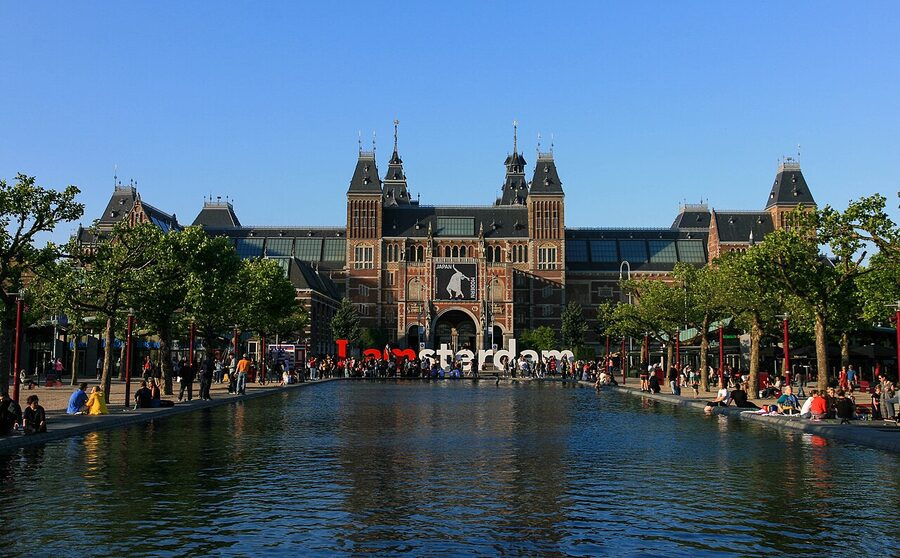
The Rijksmuseum gets a few quick frames in the film and a single mention in the book, where Augustus and Hazel walk under the museum’s distinctive cycle-and-pedestrian passage on their way back from the disaster lunch. Green liked it because it’s a piece of architecture that pretends it isn’t one: a tunnel, a thoroughfare, a place where street musicians play to commuter cyclists.
If you only have an hour, you don’t need to go inside the museum. Walk through the tunnel itself. It’s free, it’s permanent, and you’ll usually catch a string quartet or a buskers’ duo that the museum sponsors. The acoustics are unreasonably good.
If you do want to go inside, allow at least half a day. Adult entry is €25, free under 18. Pre-book on the Rijksmuseum site; walk-ups are technically possible but the queue can swallow an hour. The big-ticket items (Vermeer’s Milkmaid, Rembrandt’s Night Watch) are upstairs in Gallery of Honour. If you’re tired or it’s raining, the Asian pavilion in the basement is quieter and underrated.
Skip the Van Gogh Museum next door if you’re choosing one. It is excellent but always packed; if your time is limited, the Rijksmuseum is the better Amsterdam-defining experience. Save the Van Gogh for a return trip.
Restaurant Oranjee that doesn’t exist (and where to actually eat instead)
This trips up almost every TFIOS pilgrim, so let me be plain: Restaurant Oranjee is not a real restaurant. It exists in the book and the film. The film used a storefront at Keizersgracht 498 for exterior shots, but the interior was a set, the menu was invented, and there has never been a real Oranjee on the canal you can actually book.
People still go to Keizersgracht 498 expecting to eat. Don’t be those people. The address is a private door now, and even when it was a film location nobody would feed you there.
What Hazel orders in the book is a useful clue: champagne, asparagus risotto, dauphinoise potatoes, all paid for by Van Houten’s standing order. In real-life Amsterdam, the closest match for “fancy canalside dinner with someone you’re maybe in love with” is a tight short list:
- De Belhamel, Brouwersgracht 60. The art-nouveau dining room is tiny, the canal terrace is the size of a small balcony, and you need to book a week ahead. Mains around €30. The classic Amsterdam date dinner.
- Bistro Bij Ons, Prinsengracht 287. A short walk from the Anne Frank House, traditional Dutch dishes, very small. Mains around €22. You eat with a view of the canal Hazel walks to the museum on.
- The Pancake Bakery, Prinsengracht 191. Not fancy at all and not a date dinner, but the building is a 17th-century canal warehouse and it is the easiest pre- or post-Anne-Frank meal in the city. Pancake plus drink around €15.
The Café Americain in the American Hotel (already covered above) is also a strong contender if you want to eat in the building the film cared most about.
The canal boat ride: do it once, do it right
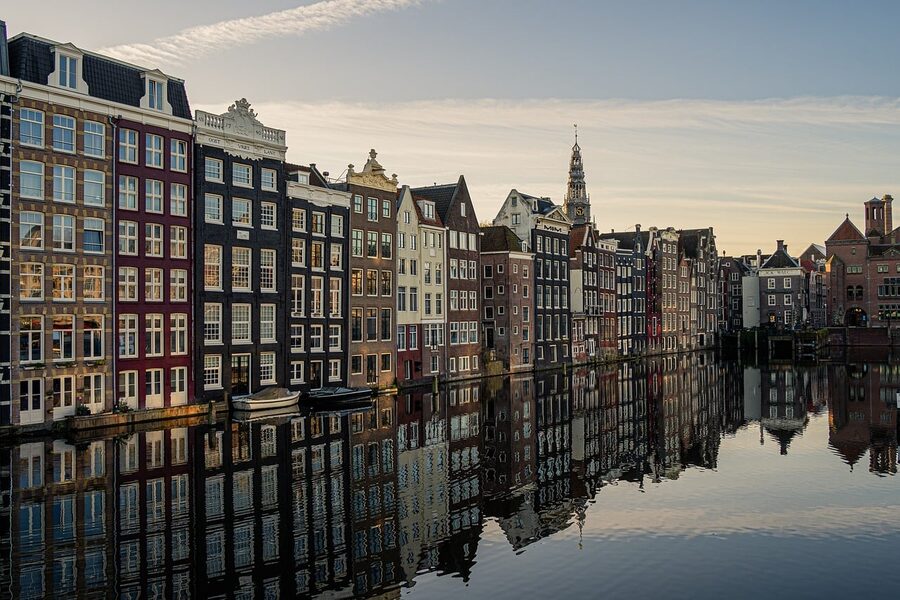
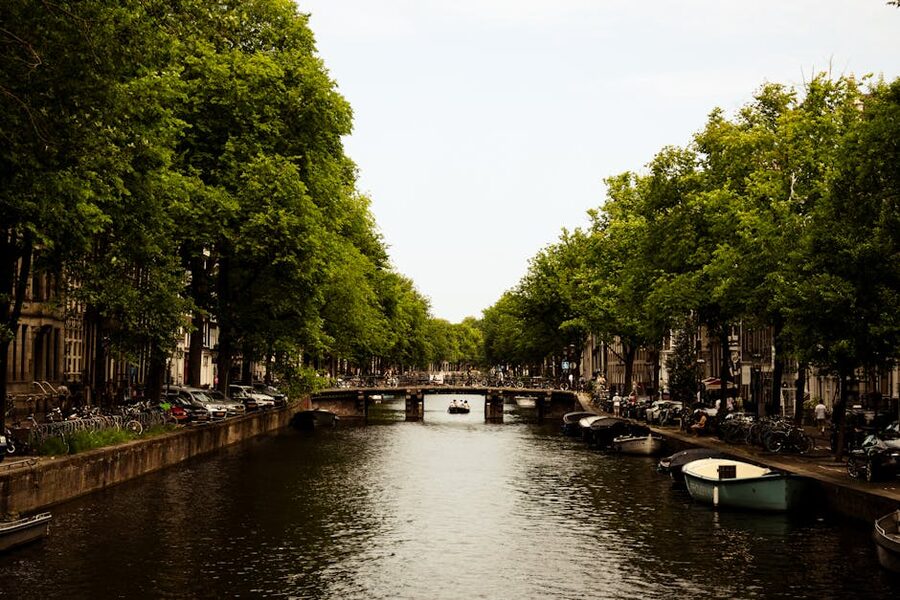
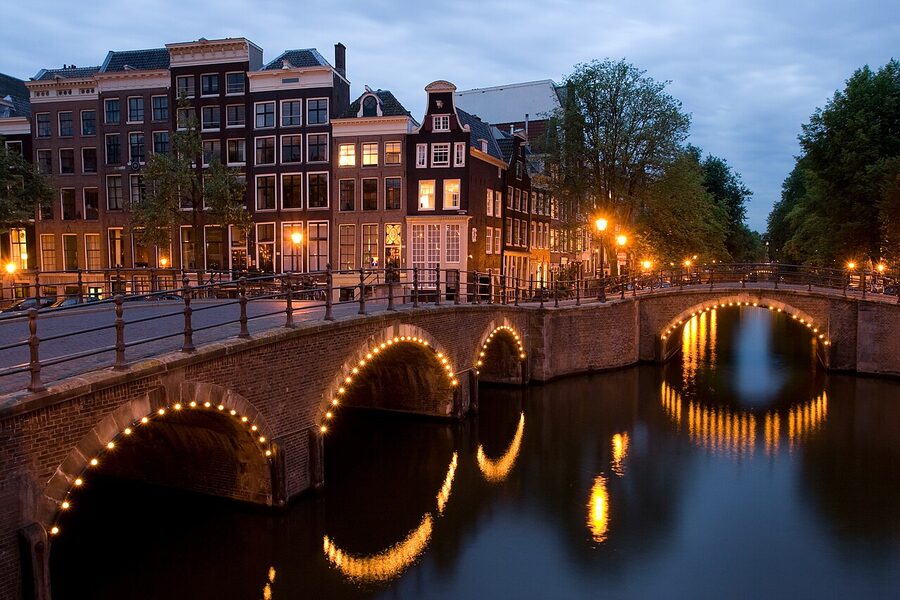
The canals are not optional. You will see them from every street, every bridge, every tram window, but spending 60 to 90 minutes on the water is the one thing every Amsterdam guide agrees on, and they are right.
Avoid the giant glass-roof tour boats that leave from Damrak. They are cheap (€19) and miserable: you can’t take a decent photo through the glass, the audio guide is recorded in five languages, and the boat is the size of a small ferry. Pick one of these instead:
- Those Dam Boat Guys. Small open boats, max 12 people, €30 for 90 minutes, BYO drinks and snacks. The skippers are local and funny. Book on their site; weekend evenings sell out a week ahead.
- Mokumboot. You skipper your own small electric boat. €120 for two hours, splits well between four. No licence needed. Pick up at multiple points, including one near Vondelpark.
- The Hop-On Hop-Off Canal Bus if you have kids. Larger boat, €25 for the day, three routes that link the major museums. Practical, not romantic.
If you only have time for the cheapest option: the regular GVB ferries from behind Centraal across the IJ to Amsterdam Noord are completely free. They take five minutes, run every fifteen, and qualify as “being on Amsterdam water” without paying anyone.
A self-guided TFIOS day-walk through Amsterdam
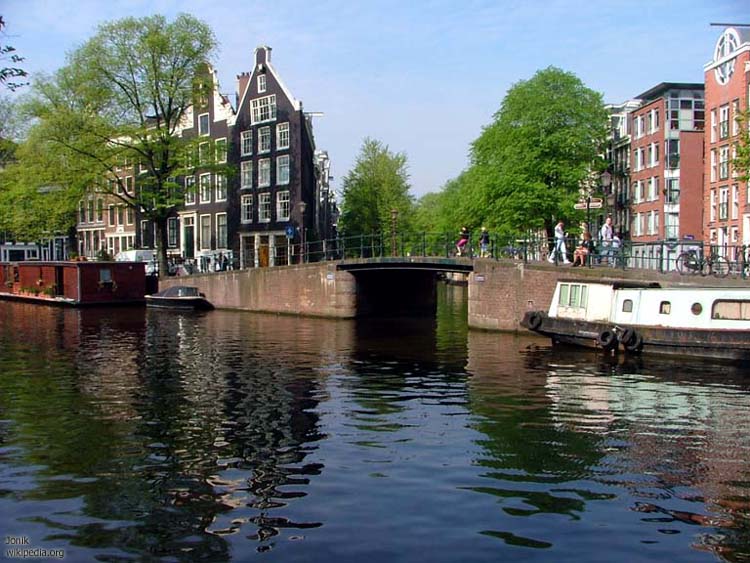
You can stitch the locations into a single walking day. About 6 km on foot, plus the Anne Frank House and one museum. Allow five hours for the walk and museum stops, plus two for dinner.
- Start at Westermarkt 20. Anne Frank House, ideally a 9am slot. Allow 90 minutes inside.
- Walk south down Prinsengracht for ten minutes. You’re now on the canal Hazel walks before the museum. Stop at Bistro Bij Ons or the Pancake Bakery for lunch.
- Cut west into the Jordaan, the neighbourhood where most of the film’s exterior shots were filmed. Wander any street; they’re all photogenic.
- South to Leidsegracht 4. Sit on the bench. Take the photo. Move on.
- Five minutes south to Leidseplein. Café Americain on the ground floor of the American Hotel for a coffee or an early drink.
- West along the south edge of Vondelpark to Vondelstraat 162. Photo from across the road. Don’t ring the bell.
- Into Vondelpark proper. Walk the length of it, north to south, around 30 minutes at a slow pace. Read a chapter on the grass.
- South-east exit drops you at the Rijksmuseum tunnel. Walk through it (free), then either go inside (allow three hours) or skip it for next time.
- Dinner. If it’s still light, go back north to De Belhamel on Brouwersgracht. If it’s late, eat closer to the museum at one of the cafés around Museumplein.
- Optional final stop: a 90-minute Those Dam Boat Guys evening canal cruise. The city looks completely different from the water at night.
Where to actually stay
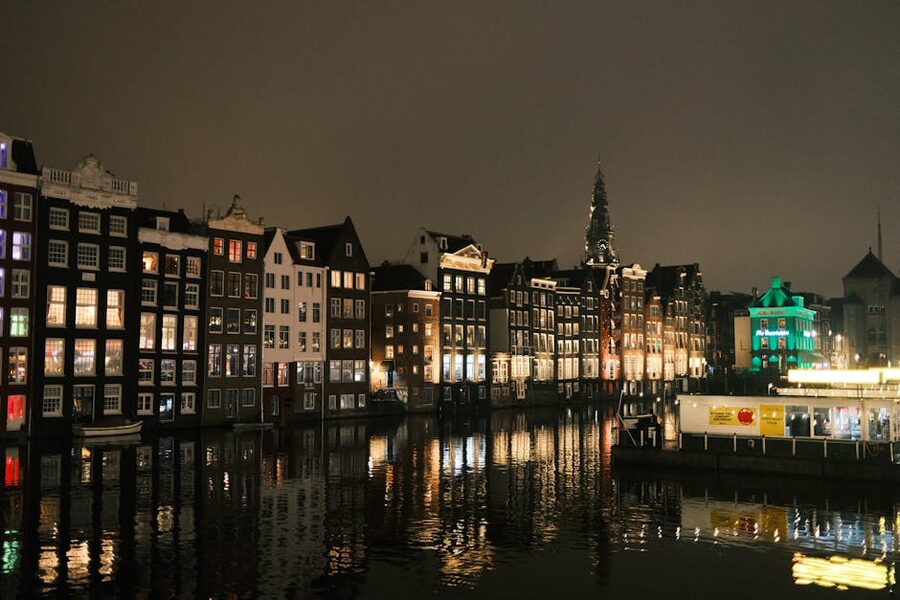
Amsterdam’s centre is small. If you stay inside the canal ring (the Grachtengordel) you can walk to everything in this guide. If you’re tempted by a hotel near Schiphol or in the suburbs to save money, you’ll spend the saving on tram fares and lose an hour a day.
Clayton Hotel Amsterdam American (€€€) is the splurge that doubles as the film location. Doubles from around €260, art-deco public spaces, on Leidseplein. Two minutes’ walk to the bench.
Conservatorium Hotel (€€€€) is the proper splurge if you have it: a converted 1897 music conservatory on Museumplein, a 90-second walk from the Rijksmuseum. Doubles north of €600.
Pulitzer Amsterdam (€€€) is a row of 25 connected canal houses on Prinsengracht, three minutes from the Anne Frank House. Doubles from around €350. The most “Amsterdam” feeling of the bigger hotels.
The Hoxton Amsterdam (€€) on Herengracht is a row of five canal houses knocked together, lobby café full of Dutch freelancers on laptops. Doubles around €200. The mid-range pick.
Generator Amsterdam (€) is the budget option, a hostel-hotel in a 19th-century university building right on Oosterpark. Dorm beds from €40, private rooms from €110. A 15-minute tram ride from the centre but the building is gorgeous.
If you want to sleep in the actual fictional Hotel de Filosoof, you can’t; the building isn’t a hotel anymore. The closest thing in spirit is the Hoxton, which has the same “old building, real character, not corporate” feel that Augustus would have insisted on.
Other Amsterdam things, in honest order
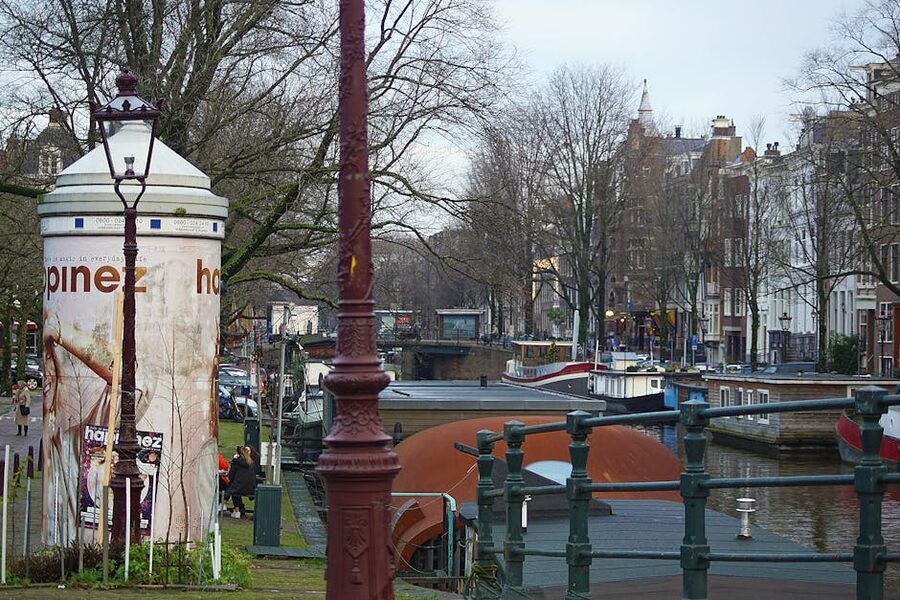
If you have time after the TFIOS day:
- The Van Gogh Museum. Next to the Rijksmuseum. €22, pre-book always. The early-period Dutch peasant paintings hit harder than the famous sunflowers.
- NEMO Science Museum. Best for families with kids 6 to 12. The rooftop terrace is free even if you don’t go in and gives the best view of the city centre.
- The Royal Palace on Dam Square. Free if you have a Museumkaart, €12.50 otherwise, gives you the inside of one of Europe’s last functioning royal residences.
- Albert Cuyp Market. South of the centre in De Pijp neighbourhood. Open Monday to Saturday, 9am to 5pm, the place to eat stroopwafels straight off the iron and pickled herring straight off the cart.
- A day-trip to Haarlem. 18 minutes by train, €8.40 return. Smaller, calmer, the Frans Hals Museum and a proper market square. Better than Volendam or any other “traditional” tourist Dutch town for a sane half-day.
- Keukenhof gardens. Only open mid-March to mid-May. €20 entry, plus €13 round-trip Keukenhof Express bus from Schiphol. If you’re in Amsterdam in tulip season, do this; if you’re not, skip every “tulip experience” in the city centre.
Getting around once you’re here
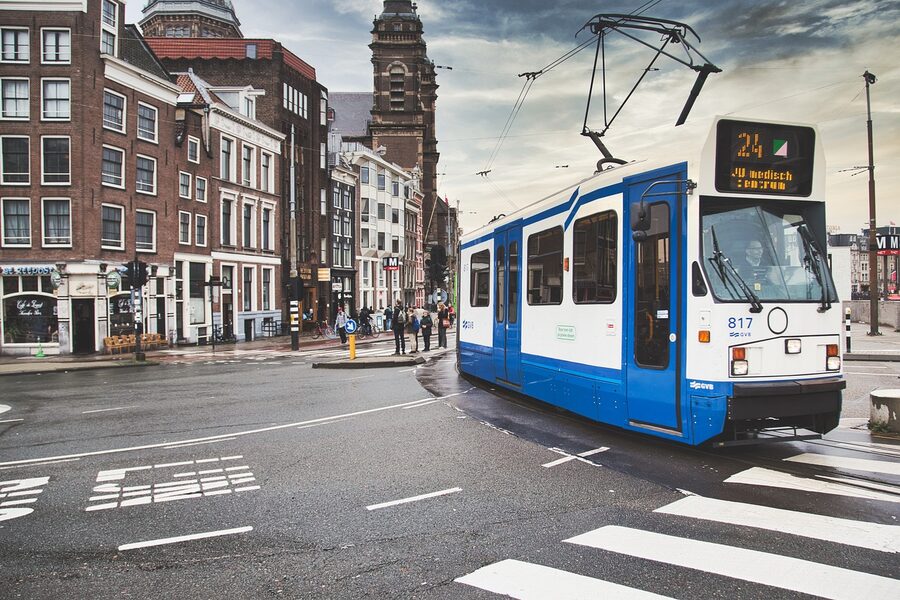
Trams are the answer for the canal ring; the Metro only really helps for going north of the IJ. Walking covers everything inside the canal ring in 25 minutes maximum. Cycling is genuinely fun but Amsterdam cyclists have no patience for tourists who wobble. If you’ve never cycled in a city, hire a bike for half a day in Vondelpark, not on the streets.
Don’t bother with Uber or taxis unless it’s late and you’re tired. The base fare is high and you’ll usually be slower than the tram in central traffic.
If you only have one day
Here’s the squeeze. 9am Anne Frank House (book six weeks ahead). Walk south through the Jordaan. Lunch at Bistro Bij Ons or the Pancake Bakery. South to the bench at Leidsegracht 4, sit for ten minutes. Coffee at Café Americain. West to Vondelpark, walk it end to end. South-east exit to the Rijksmuseum tunnel and either go in for two hours or just walk through and call it. Dinner at De Belhamel. Last train to Schiphol if you’re flying out the same day.
That’s a long day. You will not have time for the museum or the canal cruise. You will see the spine of Hazel’s Amsterdam and almost nothing else. It works as a stopover but it’s not the trip.
The verdict
The film made the locations famous and got most of them slightly wrong. The book made the city specific and got most of it right. If you arrive in Amsterdam treating The Fault in Our Stars as a film tour, you’ll do four photo stops in an afternoon and miss the city entirely. If you treat it as a book reading list (chapter twelve on the plane, chapter sixteen at the Annex, chapter fourteen on the bench), you’ll get a city that’s more interesting than either Hazel or the cinematographer realised.
Spend the three nights. Walk the route. Read the chapters in the rooms. The bench is a photo op; everything else is the trip.
If this is the kind of guide you want more of, the Read and Travel Challenge Reading & Travel Challenge hub on this site links to all of them. Other Europe guides in the same series so far: A Girl with the Dragon Tattoo Travel Guide to Stockholm, A Percy Jackson Travel Guide to Athens, and from across the Channel, A Persuasion Walking Tour of Bath.