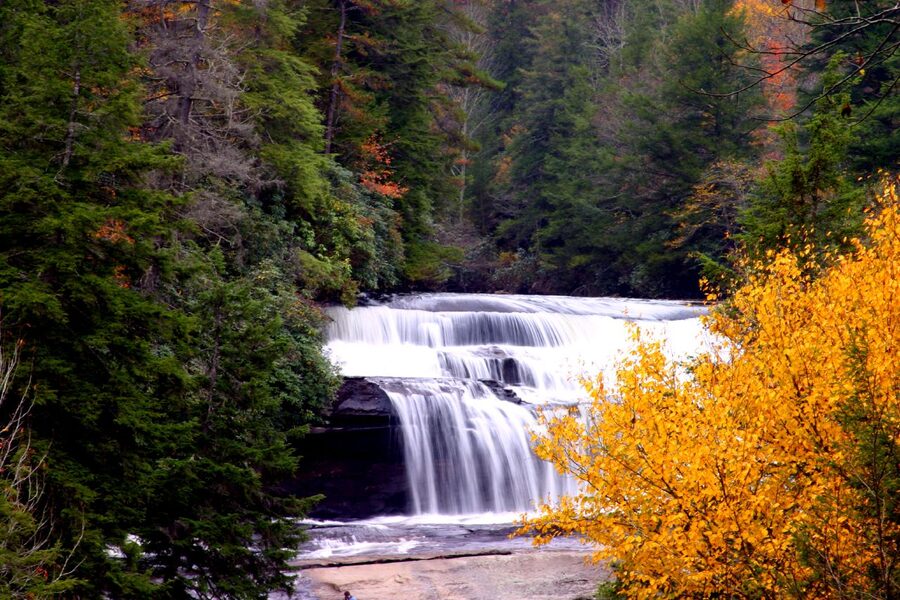
“You really want to know how to start a fire? Win the Hunger Games.” That’s roughly Haymitch’s energy in chapter twenty-two, and it is the line I had stuck in my head the first time I stood at the bottom of Triple Falls, in DuPont State Forest, looking at the flat shelf of rock where Katniss finds Peeta camouflaged into the riverbank. The water is loud. The light comes through the trees the way it does in the film. There is a small swimming pool below the bottom drop where the actors apparently spent their downtime cooling off between takes. The book is fiction. Panem is fiction. The waterfall is real, and it is precisely where Suzanne Collins’s words got turned into a moving image. That tension, between the made-up nation and the ordinary North Carolina state forest that played it, is the whole reason this trip is worth doing.
This is a guide for anyone who reread the trilogy after Sunrise on the Reaping dropped, watched the films again to fact-check their own memory, and now wants to spend a weekend walking the actual locations. I want to be straight with you up front: this is filming-locations-as-pilgrimage, not book-pilgrimage. Collins set the story in a fictional Appalachian district in a fictional country called Panem, and the films chose Western North Carolina because it stood in for what she had imagined. So unlike Cavendish for Anne or Inverness for Outlander, where you walk the same ground the author walked, Asheville and its outlying forests are a different kind of literary trip. They give you the world the films pulled out of the prose, which is its own thing, and worth the drive.
In This Article
- Quick disclaimer: Panem is not a real place
- How to use this guide
- Henry River Mill Village: the real District 12
- The Reyes family and the second life of the village
- Practical visitor info
- Why you should buy the ticket and not just drive past
- DuPont State Recreational Forest: the arena
- Where to park and how to plan the day
- Triple Falls: where Katniss finds Peeta
- Bridal Veil Falls: the firestorm pool
- Hooker Falls and High Falls
- Big Ivy and Coleman Boundary: the District 12 hunting woods
- Craggy Pinnacle and the Cornucopia view
- Mount Mitchell and the rest of the Parkway
- Asheville: where the cast actually slept
- Wasabi: where the tributes ate sushi
- Early Girl Eatery and Malaprop’s Bookstore
- Two restaurants you may have read about that are no longer open
- Adventure add-ons: zip-lining, white water, and survival
- Navitat Canopy Tours
- Hunger Games-themed guided tours
- Nantahala Outdoor Center: actual survival skills
- Brevard: dinner town
- If you have a third day: Charlotte and Shelby
- Shelby: where the Reaping was filmed
- Charlotte: the Capitol
- Other films on the same trip
- What to read before you go
- Other literary travel guides on this site
- A workable two-day itinerary
- The three-day version
- The bottom line
Quick disclaimer: Panem is not a real place

If you came to this site via the Read and Travel Challenge, the rule of thumb is that the destination should be somewhere the author either lived, set the book, or both. The Hunger Games breaks that rule. Collins’s “District 12” is described as “the coal-rich region that was formerly Appalachia,” which the romanticasheville.com summary of the films notes verbatim. She did not name a specific town. The books were written in Connecticut. The films were shot in North Carolina because Lionsgate director Gary Ross liked the way the Blue Ridge looked on camera, and he wanted a real ghost town for District 12. He found one in Burke County and an arena in DuPont. So the trip is a pilgrimage to the screen adaptation, not to the page. If that is a deal-breaker for you as a purist, fair, save the gas. If you can roll with it, the weekend is one of the more interesting set-jetting trips in the United States, because the locations are unusually accessible and unusually intact.
The first novel was published in 2008 and the film came out in March 2012. Most of what you’ll see on this trip is from the first film, because that’s the one that locked in the geography of District 12 and the arena. Later films in the franchise moved more onto soundstages.
How to use this guide
Asheville is the practical base. Most of the locations sit within a two-hour drive: DuPont and Brevard south of the city, Big Ivy north, Henry River Mill Village an hour east, Shelby and Charlotte further east still. You can do the absolute essentials in two days. To do it properly, give yourself three. I’ve laid this out roughly in the order you’d hit them on a long weekend, with the nights in Asheville unless you’re tacking on Charlotte. If you only have one full day, jump straight to the Henry River + DuPont section and skip everything else.
Henry River Mill Village: the real District 12
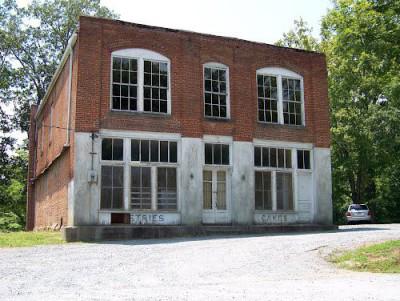
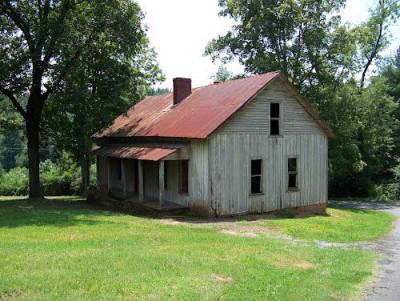
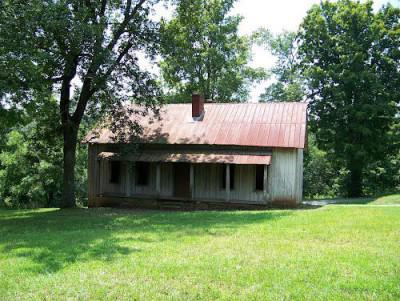
This is the one location nobody who’s read the books should skip. Henry River Mill Village was a planned mill community laid out in 1904 by Michael Erastus Rudisill on a 1,500-acre tract chosen for its hydropower. By 1905 the village had a thirty-foot reinforced concrete dam, a three-story brick mill building, and roughly thirty-five worker’s cottages strung along the steep north bank of the Henry River gorge. The mill ran 4,000 yarn-making spindles to start, hit 12,000 by the time it shut down in the late 1960s, and produced fine combed cotton yarn for lace. The mill closed in 1971, was bought by Wade Shepherd in 1976, and burned in 1977 (lightning was the suspected cause, per the Wikipedia entry on the village). Twenty of the original thirty-five worker’s cottages are still standing today, which is why it works as District 12: most of the architecture survived intact, just rusted and rotting in a way you cannot easily fake on a soundstage.
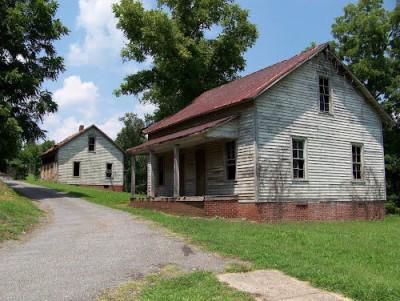
The film crew used the village for nine days in 2011. The two-story brick company store became Mellark’s Bakery, with painted signage still partially visible on the side. One of the houses was sacrificed in an explosion for the film. House 16 is identified by the current owners as the Everdeen home, with items found during restoration being collected for an on-site museum inside it.
The Reyes family and the second life of the village
The reason you can actually visit, rather than peer through a fence at it, is Calvin Reyes. The Reyes family bought the seventy-two-acre village in fall 2017, with a long-term plan to convert the surviving homes into vacation rentals, open a restaurant in the former company store, and build a small museum. The story has been picked up by national television: it ran as season 1 episode 4 of Magnolia Network’s In With The Old in October 2021, and the Science Channel’s Mysteries of the Abandoned covered it in their “Greatest Icons” episode (S7E4). The official site at henryrivermillvillage.com has the current event calendar.
Practical visitor info
Address: 4255 Henry River Road, Hickory, NC 28602. From Asheville, take I-40 East to Exit 119; the village is about a half-mile south of the exit. The drive is roughly seventy-five miles, give or take ten minutes depending on Asheville traffic. Parking is at the company store. Phone is (828) 471-HRMV, which spells out to (828) 471-4768.
Adult general admission is $18 plus tax. Children under eighteen are free with a paid adult ticket. As of the time of writing, winter hours run Saturday and Sunday 10am to 5pm. From March 20, 2026 onward the village is open Friday through Monday, 10am to 5pm. Tickets can be purchased online or on-site, and leashed pets are welcome on general-admission tours. The village is one hundred percent tobacco-free, including in your car on the property, because the buildings are tinder-dry and a stray ember would be catastrophic. They will ask you to leave without a refund if you smoke. The site posts an explicit agritourism waiver under North Carolina General Statute 99E-32(b); you are accepting some risk by walking around old structures with weak floorboards.
The vacation rental option is unique enough to mention. The Reyes family fully restored a 1905 mill house into two units, each with a queen bed, two twin beds, a kitchenette, and two bathrooms. You can rent half or both units for full house occupancy, which is the closest thing to actually sleeping in District 12 that exists on this planet. Bookings go through the official site.
Why you should buy the ticket and not just drive past
You can technically see most of the village from Henry River Road. Multiple older blog posts (the thoughtandsight.com entry from 2015, the carolinamornings.com post from 2012) note that you used to be able to wander in unguided when a sheriff was sitting at the company store. That is no longer the case. The village is private property, the buildings are dangerous, the floorboards are still rotten, and the new ownership has put the site on a proper tour-and-event footing. Buy the eighteen-dollar ticket. The interior access, the history walk, and the photos you can take inside the houses are the actual experience. Driving past the bakery and snapping a photo from your car is a very expensive way to see the side of a building.
Note for fans of the romanticasheville.com guide: it lists “Hildebran Heritage Museum” nearby. That is genuinely worth the stop if you have time and want more context on the textile-mill economy that built and broke the region.
DuPont State Recreational Forest: the arena
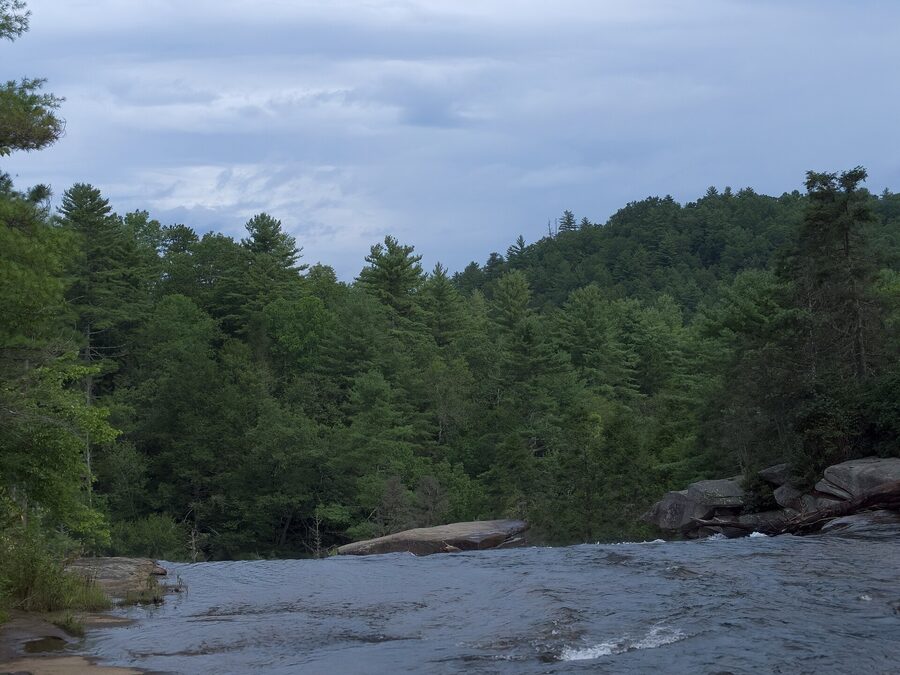
DuPont covers 10,400 acres between Hendersonville and Brevard, in Henderson and Transylvania Counties, and is run as a state recreational forest with day-use parking lots and waymarked trails. The film calls it “the arena.” Most of the chase, the firestorm escape, and the moments where Katniss is alone in the wild were shot on Triple Falls, Bridal Veil Falls, or the trails between them. The official Friends of DuPont group runs the visitor side at dupontforest.com.
Where to park and how to plan the day
The smart move is to park at the Hooker Falls parking area on Staton Road. From here, Triple Falls is an easy hike, Bridal Veil Falls is roughly an hour’s walk, and Hooker Falls itself is a five-minute stroll the other direction (worth doing for completeness even though Hooker is not on screen in the film). The Visit NC itinerary lists the address for DuPont as Staton Road, Cedar Mountain NC 28718, with (828) 877-6527 as the phone for current trail conditions.
The drive from Asheville: take I-240 W to I-26 E, exit 40, right on Hwy 280 W for 4.7 miles, becomes Hwy 191 S, right on School House Road and bear left onto Ladson Rd, cross the river, right on US 64 W for 7.4 miles, left on Crab Creek Rd for 4.3 miles, then DuPont Road on the right. The exploreasheville.com itinerary spells the directions out fully and they have not changed since I last did the drive. About forty-five minutes from downtown if traffic is reasonable.
Triple Falls: where Katniss finds Peeta
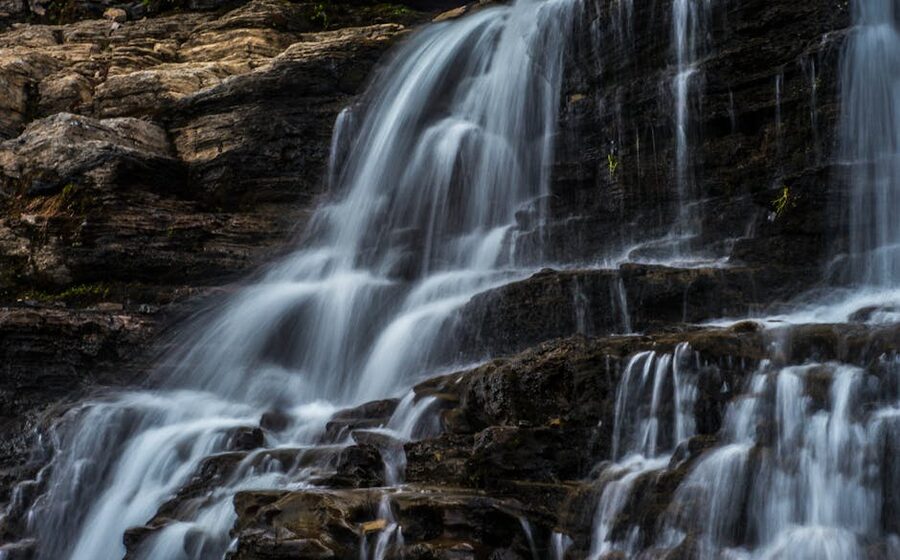
Triple Falls is the iconic location, an easy hike from the Hooker Falls lot. Climb to the top for the postcard view of all three drops, then come back down and walk to the bottom waterfall. The flat dry shelf of rock at the base of the lower falls is where the production filmed the scene where Katniss hears the announcement that there can be two winners, follows a blood trail, and finds Peeta camouflaged into the rocks. Mary Hanna Wilson’s blog post from 2015 has on-the-ground photos of exactly which rocks the directors used, and her geography matches what you see on screen.
If the river is low enough and the rocks are dry, families do swim in the pool below the bottom drop. There are warning signs about deaths every year at these falls, and they are not exaggerating. Stay off the wet algae and away from the lip of any waterfall. Plenty of cast members reportedly cooled off here during filming, but they had safety crews; you don’t.
Bridal Veil Falls: the firestorm pool
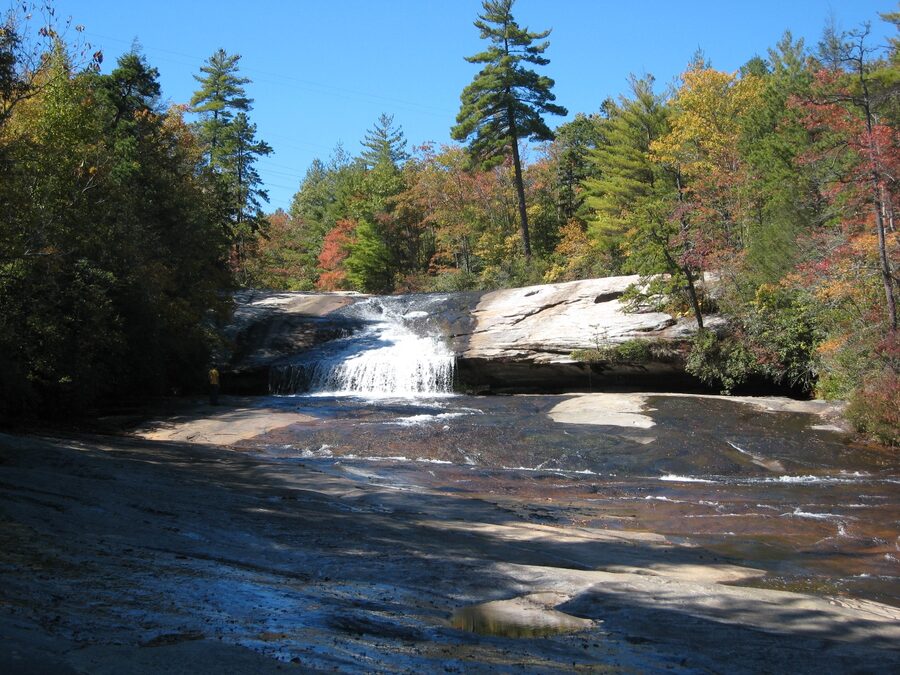
Bridal Veil is a longer haul, roughly an hour each way. The exploreasheville.com itinerary recommends parking separately at the High Falls Parking area (about a mile up the road from the Triple Falls lot), walking around the vehicle gate onto Buck Forest Road, crossing the covered bridge, then taking a right on Conservation Road and a right again on Bridal Veil Falls Road. This is the sliding-rock waterfall you can usually walk on if water levels are low. It is also the falls Katniss tumbles into after escaping the engineered fire. The pool at the bottom is the one in the scene; the production used it more or less as found.
Hooker Falls and High Falls
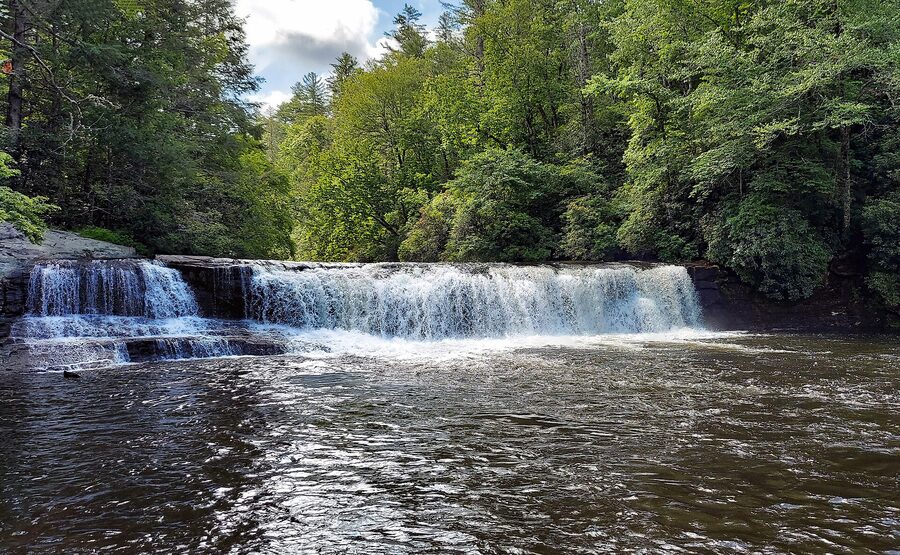
Hooker Falls itself doesn’t appear in the film, but it’s a five-minute walk from your car and the swimming hole is excellent in summer. High Falls, with its photogenic covered bridge, doesn’t appear in the film either, but you’ll cross the bridge if you walk the long way to Bridal Veil. Both are worth the few extra minutes. If you have any energy left at the end of the day, walk back via the High Falls trail rather than retracing your steps.
Big Ivy and Coleman Boundary: the District 12 hunting woods
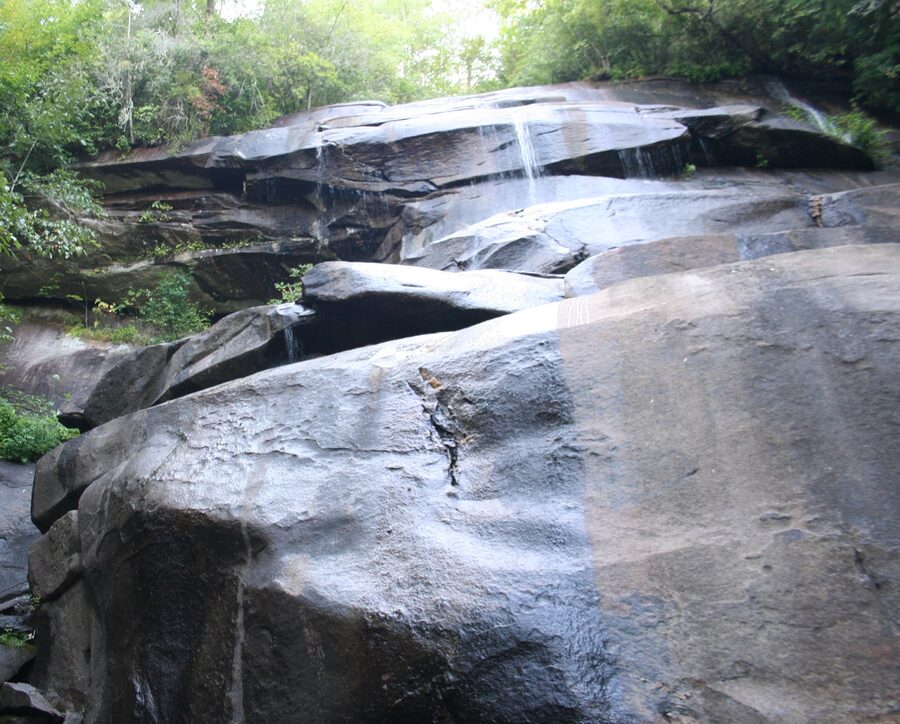
The opening hunting scene where Gale calls Katniss “Catnip” and the deer escapes was filmed in Big Ivy, also called Coleman Boundary, in Pisgah National Forest. This is north of Asheville rather than south. The official line per Visit NC is that “no guarantee this is the exact spot” applies, but the geography matches what’s on screen and the giggster.com guide narrows the location to “the riverside scene where Katniss and Gale share a moment” plus the area used as the exterior of the cave Katniss and Peeta shelter in (the cave interior was a soundstage).
Driving directions from Asheville per the exploreasheville.com itinerary: US 19-23/I-26 W for about eleven miles, exit 15 to Jupiter/Barnardsville, right onto NC 197 for six miles to the town of Barnardsville, right onto Dillingham Road for six miles (bear left to stay on Dillingham where Haw Branch Road forks straight). The forest boundary is where the road turns to gravel. From there, Corner Rock is exactly 1.6 miles further; pull off on the left side, walk past the gate, and look for a large rock next to the small stream on your right after roughly a quarter-mile. Walk around to the far side of that rock for the cave-exterior shot. Douglas Falls is eight miles down the gravel road at the end, with a half-mile easy trail at the trailhead.
Realistic expectation: this is the most disappointing of the location stops if you’re a casual fan, because you’re looking at generic woodland that resembles every other patch of woodland in the southern Appalachians. The cave is a soundstage, not a cave. If you’ve only got a half-day to spend, skip Big Ivy and double down on DuPont. If you’ve got the full weekend, the gravel-road drive in is genuinely beautiful and Douglas Falls is a quiet payoff that the bigger waterfalls don’t give you.
Craggy Pinnacle and the Cornucopia view
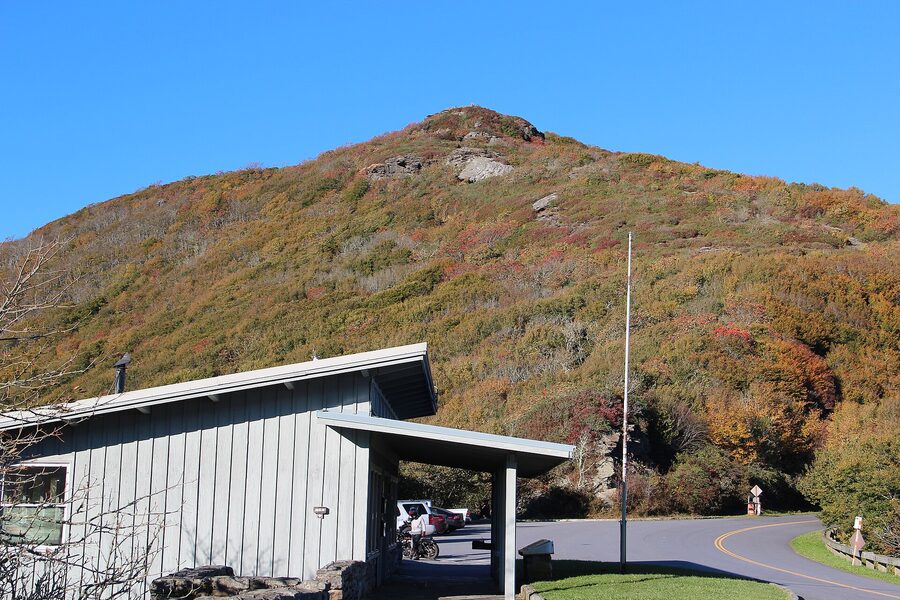
The Cornucopia at the centre of the arena, where the tributes scramble for survival packs at the start of the Games, was built on private land at the North Fork Reservoir north of Asheville. The reservoir is the city’s drinking water supply, which is why public access is restricted and why the production could clear the area for filming. You cannot get to the actual filming site. What you can do is look at the reservoir from the Craggy Pinnacle Trail.
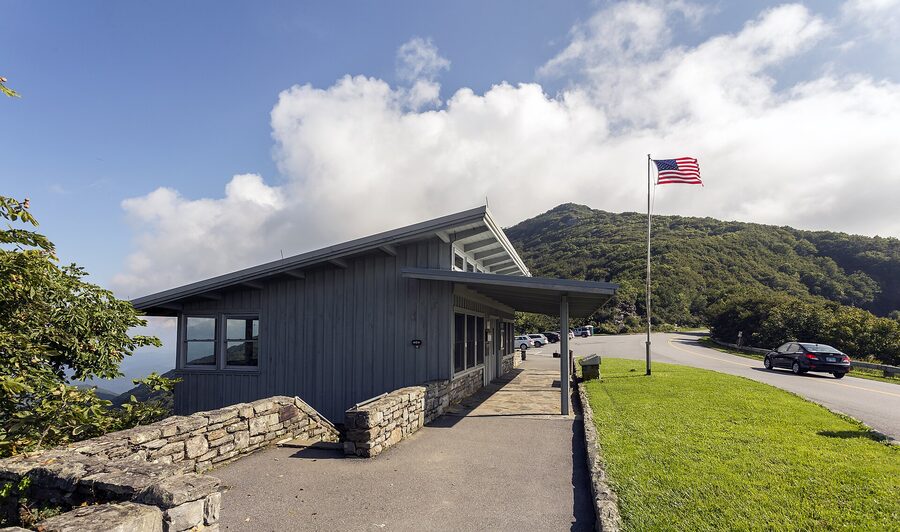
The trailhead is at the Craggy Gardens Visitor Center on the Blue Ridge Parkway, milepost 367, address 3641 Blue Ridge Parkway, Barnardsville NC 29709. The trail is short, well-graded, and ends at a stone overlook with the reservoir visible to the southeast. Stick to the path; the surrounding heath is fragile and signposted as such.
One important update: as of 9/15/25, per the exploreasheville.com itinerary, the Craggy Gardens Visitor Center and Craggy Pinnacle Trail have reopened after Hurricane Helene closures. The Craggy Gardens Picnic Area, however, was still closed at that update. For current Blue Ridge Parkway road conditions check the NPS page for Craggy Gardens before you drive up. The Parkway closes some sections in winter and after weather events, and the access from Asheville is via Highway 70 to the parkway entrance at milepost 382.
Mount Mitchell and the rest of the Parkway
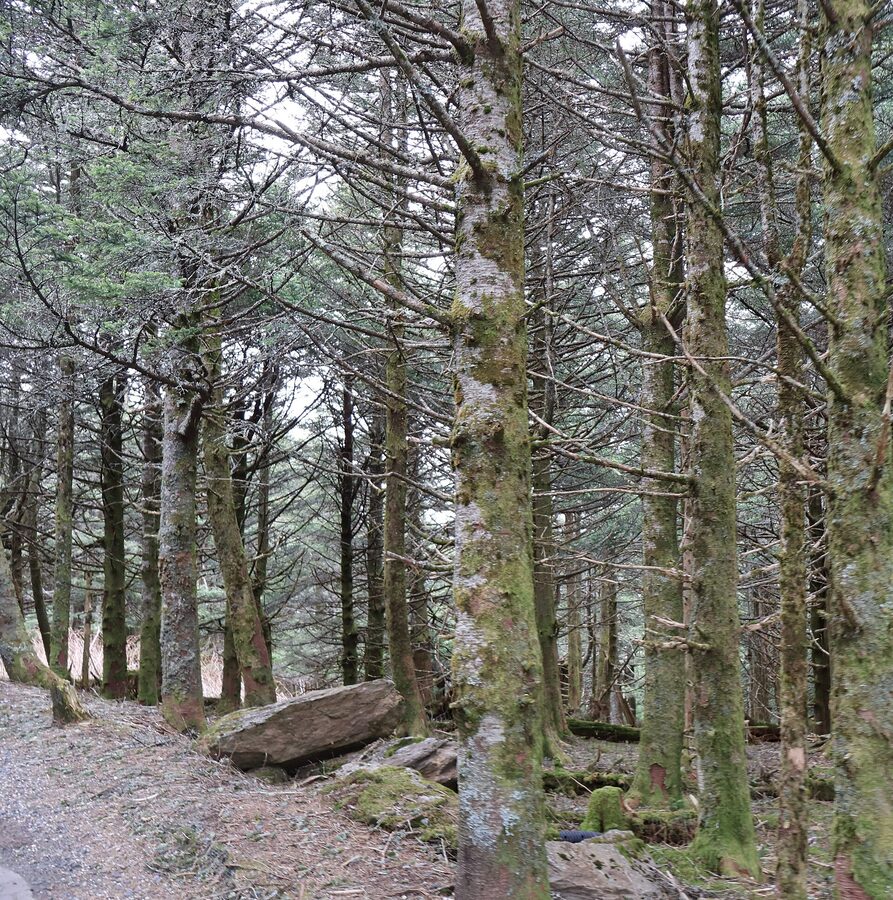
Mount Mitchell is fifteen miles further north and is the highest peak east of the Mississippi. It reopened post-Helene as of mid-September 2025. Add it to the morning if you have an extra hour; the summit trail is short and paved.
Asheville: where the cast actually slept
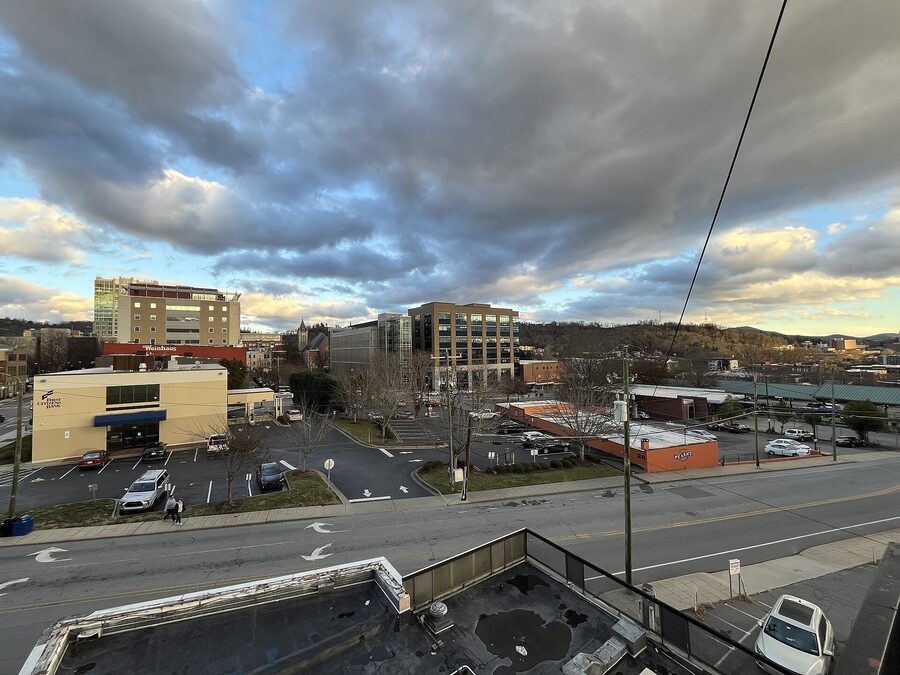
Worth being upfront: zero scenes from the first Hunger Games film were shot in downtown Asheville. The town’s role in this trip is as the place the cast lived, the place you’ll sleep, and the place you’ll come back to for dinner. The exploreasheville.com main Hunger Games article confirms that Jennifer Lawrence and her costars stayed in the condos at the top of the Hotel Indigo Asheville Downtown, with other cast and crew at the DoubleTree by Hilton Biltmore. Both hotels are bookable through Booking; the Hotel Indigo is the more stylish room and Lawrence-coded choice, the DoubleTree the more practical Biltmore-area base. If those two are full or out of budget, the broader Asheville availability list has thirty-plus alternatives.
Wasabi: where the tributes ate sushi
The most consistent restaurant the cast came back to was Wasabi at 19 Broadway Street, Asheville NC 28801, (828) 225-2551. The Visit NC itinerary identifies it as “a sushi hotspot where the Tributes often gathered” and lists it as stop five on the official state-tourism behind-the-scenes route. Walk in, do not pre-book unless you’re a party of six or more, and sit at the bar if you can.
Early Girl Eatery and Malaprop’s Bookstore
Early Girl Eatery, 8 Wall Street, (828) 259-9292, is where Entertainment Weekly interviewed Josh Hutcherson for its “Men of The Hunger Games” spread, per Visit NC. Breakfast is excellent: stoneground grits, sweet potato pancakes, the whole Southern-with-an-Asheville-spin thing. Plan to wait twenty minutes on weekend mornings; they don’t take walk-in reservations.
Two doors over, Malaprop’s Bookstore and Café is the literary anchor of downtown and, per the exploreasheville.com Hunger Games piece, championed Collins’s books before the films took off. They consistently stock Sunrise on the Reaping, the trilogy, and the Songbirds and Snakes prequel. Buy your reread copies here rather than from Amazon if you can; small independent bookstores are how the next Suzanne Collins gets discovered.
Two restaurants you may have read about that are no longer open
Two cast hangouts on the older blog posts are now closed, and you’ll save a frustrating drive if you know in advance. Lexington Avenue Brewery, listed by the carolinamornings.com 2012 post and the exploreasheville.com main article as the Hutcherson-and-Vanessa-Hudgens dinner spot, closed at the end of 2018 (per Mountain Xpress reporting in late 2018). The space has changed hands. Laughing Seed Cafe, the long-time vegetarian spot Woody Harrelson favoured, closed in May 2025 after thirty-two years (per Eater Carolinas and the Asheville Citizen-Times). Both closures are relevant to anyone working off pre-2025 itineraries; the carolinamornings.com post still lists Lex Avenue Brewery in its top three. Skip both. Wasabi and Early Girl are still going.
Adventure add-ons: zip-lining, white water, and survival
Navitat Canopy Tours
Josh Hutcherson did Navitat Canopy Tours three times during filming, including once at night and once with then-girlfriend Vanessa Hudgens. Six other Tribute actors also did the course, per the Visit NC itinerary. The address is 242 Poverty Branch Road, Barnardsville NC 28709, (855) 628-4828. The full canopy tour is a three-hour eco-adventure on the eastern edge of Pisgah, with multiple zip lines and two rappels. It’s the closest you’ll get to the rooftop-treetop sensation the film gives Rue.
Hunger Games-themed guided tours
For the people who want a guide rather than a self-drive: PVAdventures in Brevard runs Hunger Games tours that include DuPont locations and dressing-up options. They are listed on TripAdvisor’s Brevard attractions as “Hunger Games Unofficial Fan Tours” and have been running since shortly after the film came out. The Brevard mountaineer.com archive has a feature on the original launch of the tour. Book ahead, especially in summer. They also run waterfall rappelling, which has nothing to do with the Hunger Games but is excellent.
Nantahala Outdoor Center: actual survival skills
The Visit NC itinerary recommends Nantahala Outdoor Center at 13077 US 19, Bryson City NC 28713, (828) 785-5082, for genuine wilderness survival classes (friction fire, edible plants, the kind of training Katniss spent years internalising). It’s a little more than an hour west of Asheville and a half-day commitment minimum, but if you’ve come this far for the Mockingjay and want to actually move the needle on your survival skills, this is the legitimate option.
Brevard: dinner town
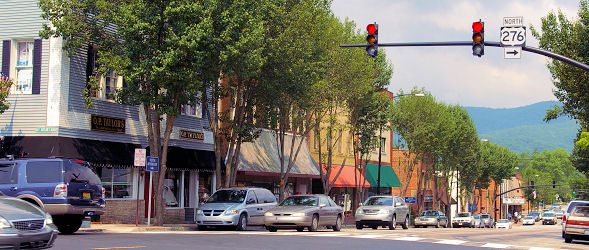
Brevard sits at the edge of DuPont and is a logical lunch or dinner stop. It is not from the film, but the Visit NC itinerary lists it as a downtime stop on the route, and after a four-hour DuPont hike you will need food. Per the same source, the central downtown shops worth poking into are OP Taylor’s, Theophilus, and DD Bullwinkel’s, with food and coffee at The Square Root and Bracken Mountain Bakery, plus a pint at Brevard Brewing. The town also has a population of white squirrels, which sounds invented but is well-documented (signage all over downtown). Address for the visitor centre is 16 South Broad Street, Brevard NC 28712.
If you have a third day: Charlotte and Shelby
For the completionist, three Capitol-related locations sit east of Asheville. They’re spread out, which is why I list them as a third-day add-on rather than building them into the main route.
Shelby: where the Reaping was filmed
Drive eighty miles east to Shelby, where the Reaping ceremony and Hob market scenes were shot in private warehouses near downtown. Per the movie-locations.com page, the warehouses sit west of South Lafayette Street with additional commercial buildings along the railway tracks at South Morgan Street and Blanton Street. None of these are publicly accessible. What you can do is have lunch at Pleasant City Wood Fired Grille, 233 South Lafayette Street, Shelby NC 28150, (704) 487-0016, which the Visit NC itinerary names as a cast favourite during filming. The pizza is the order. Lafayette Street has a couple of shops that lean into the Hunger Games connection, per Visit NC.
Charlotte: the Capitol
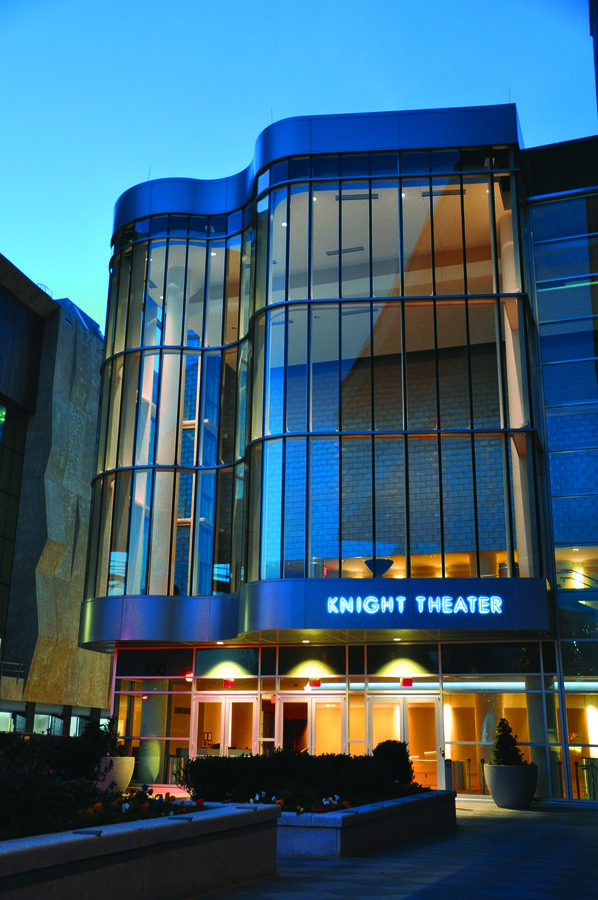
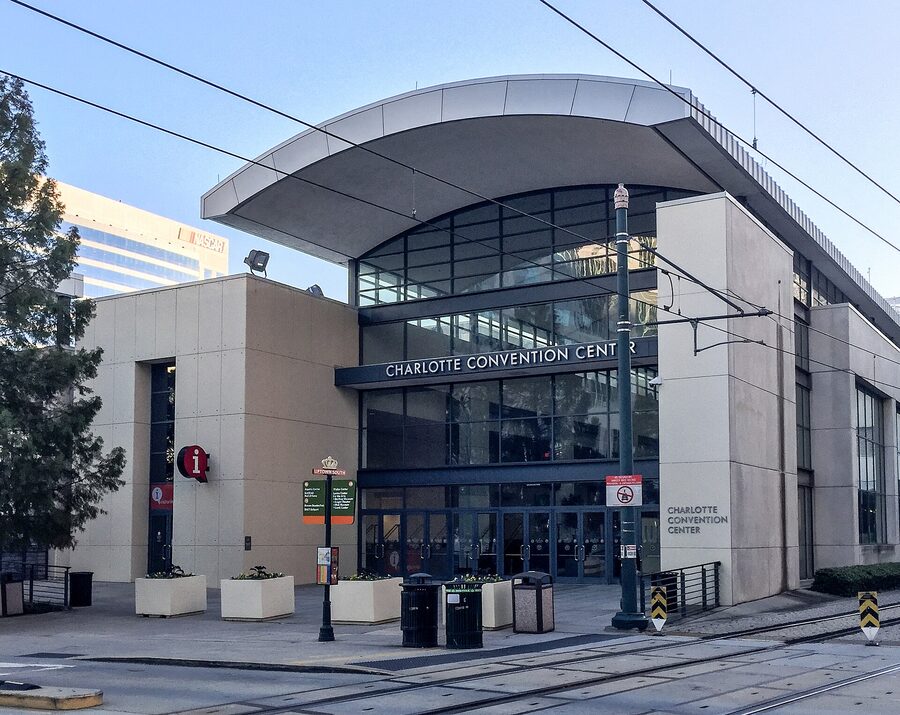
Three Charlotte locations to know. The Knight Theater at 430 South Tryon Street is part of the Blumenthal Performing Arts Center and was used for the pre-Game tribute interviews with Caesar Flickerman (Stanley Tucci). The Charlotte Convention Center at 501 South College Street hosted the Tribute Parade chariot sequence, where the District 12 chariot ignites in the now-famous “Girl on Fire” moment. Both are working venues; the Knight Theater stages Charlotte Symphony performances and touring shows, and the Convention Center hosts events year-round, so getting inside depends on what’s running when you visit.
The third location is the old Philip Morris Cabarrus Plant at 2321 Concord Parkway South, just west of Concord, which served as the studio space for the Capitol training centre, Districts 7 and 13, and other interior sets. It is a 2,100-acre site with 2.4 million square feet under one roof, per movie-locations.com. Some of the access roads are restricted; this is a drive-by curiosity rather than a place to wander around.
If you’re staying in Charlotte for the night, the cast based at the Ritz-Carlton and Dunhill Hotel uptown, per Visit NC. Charlotte itself feels like the Capitol in a quiet way: shiny corporate towers, NoDa as the Bohemian district, and the US National Whitewater Center off Whitewater Center Parkway as the city’s outdoor showpiece. Woody Harrelson reportedly climbed the forty-six-foot rock wall at the Whitewater Center, per Visit NC, and you can do the same.
Other films on the same trip
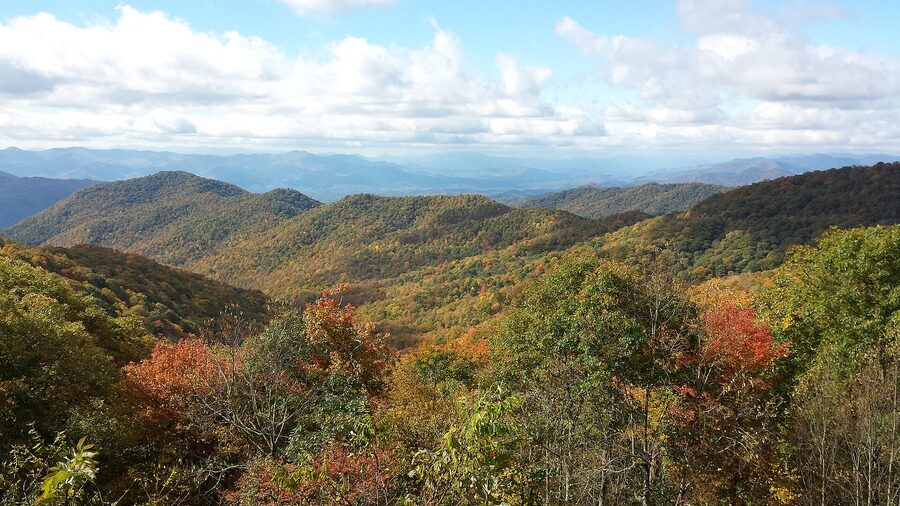
Two side-quests for the film-pilgrims. Triple Falls in DuPont was previously used by Michael Mann for The Last of the Mohicans in 1992 with Daniel Day-Lewis. If you stand below the falls and squint you can see why it works for both the dystopian future and the eighteenth-century French and Indian War. Lake Lure, an hour southeast, has the famous lake scenes from Dirty Dancing; the town was hard hit by Hurricane Helene and per the exploreasheville.com itinerary update from 9/15/25, the lake itself remains closed to the public but the parks, trails, restaurants, and lodging have reopened. Several pre-Helene blog posts still list the Dirty Dancing boat tours as available; do not assume those are running. Check the Town of Lake Lure website before driving over.
What to read before you go
Reread the first novel. It’s short, it has the strongest sense of District 12 and the arena, and the chapters at Triple Falls and Bridal Veil are the ones you’ll feel most. Sunrise on the Reaping, the latest Collins novel, drops you into Haymitch’s Games and is worth knowing about even if you’re not yet caught up. The new film adaptation is in production and is expected to use some of the same Western North Carolina footprint. The Visit NC itinerary explicitly references it (“perfect to prepare for Suzanne Collins new book, Sunrise on the Reaping”), which gives you a sense of how much the state is leaning into the franchise’s continued life.
Nicole Callihan and Ruby Young Keller’s Henry River Mill Village (Arcadia Publishing, 2012) is the small Images of America paperback the Wikipedia entry on the village cites; it covers the planned-community textile history rather than the film.
Other literary travel guides on this site
If you liked this approach, the same series treatment works for Forks, Washington for Twilight (rainforest pilgrimage, with the same “the Cullens aren’t real” caveat) and Matamata, New Zealand for Lord of the Rings (Hobbiton is a built set, not a real shire). For the Anne-of-Green-Gables crowd, Prince Edward Island is the closest thing to a true book-pilgrimage on this site, since Montgomery actually lived there. And the Read and Travel Challenge is the hub if you want a year-long structure for stacking trips like this one.
A workable two-day itinerary
Day one (Henry River + Asheville). Drive east from Asheville at 8am, arrive at Henry River Mill Village for opening at 10am, take the guided tour, browse the company store. Lunch in the area. Back to Asheville mid-afternoon. Settle in at Hotel Indigo or the DoubleTree Biltmore. Walk around downtown, browse Malaprop’s, dinner at Wasabi.
Day two (DuPont + Brevard). Breakfast at Early Girl. Drive to DuPont, park at the Hooker Falls lot. Hike Triple Falls (allow ninety minutes to two hours including the climb to the top). If you’ve still got the legs, push on to Bridal Veil (another two hours round trip). Lunch in Brevard. Optional afternoon: drive up to Craggy Pinnacle for the North Fork Reservoir view. Dinner back in Asheville.
Two full days, four locations, both cast hotels, and three cast restaurants. Anything more is third-day territory.
The three-day version
Add a Charlotte day at the end. Drive east on day three. Stop in Shelby for lunch at Pleasant City Wood Fired Grille. Continue to Charlotte. Visit the Knight Theater area at the Blumenthal complex, then walk over to the Convention Center to stand where the Tribute Parade was shot. If you have energy, go out to the US National Whitewater Center for an hour. Stay at the Ritz-Carlton or Dunhill if you want to follow the cast literally; otherwise pick a Booking listing in Uptown. Fly home from Charlotte rather than driving back to Asheville.
The bottom line
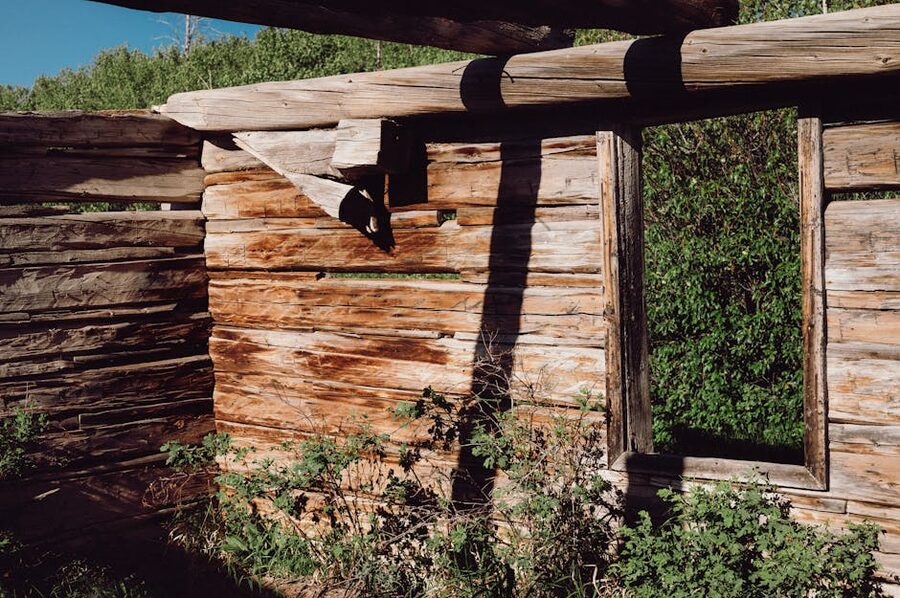
Panem isn’t a place. District 12 is a name in a novel. None of that changes the fact that, between Henry River Mill Village and Triple Falls, you can walk through the actual buildings and stand in the actual woods that gave Suzanne Collins’s words their visual weight. That’s the trip. Do it in two or three days, sleep in Asheville, eat at the places the cast ate at, and come home with the book reread and a clearer sense of why “the coal-rich region that was formerly Appalachia” worked as a dystopia in the first place. The land was always doing half the work.